Rust Livestock Guide: How to Catch, Breed and Sell Cows and Sheep
Rust's new Livestock Update lets you catch, breed and sell cows and sheep. Here's how to start a herd, manage genetics and cash in at the Stable.
Rust's October update finally gives players something the game has lacked since launch: animals you can actually own. The Livestock Update, which went live on October 1 alongside the monthly force wipe, adds tameable cows and sheep with real genetics, a Biofuel Generator for turning spoiled meat into fuel, a reworked Sandbag Barricade, and new locked loot rooms wired into the power grid. If you're starting a fresh wipe this week, livestock is the one system worth understanding before you build your first base, because it changes how you'll farm food, cloth and leather for the rest of the cycle.
01What's New in Rust's October Livestock Update
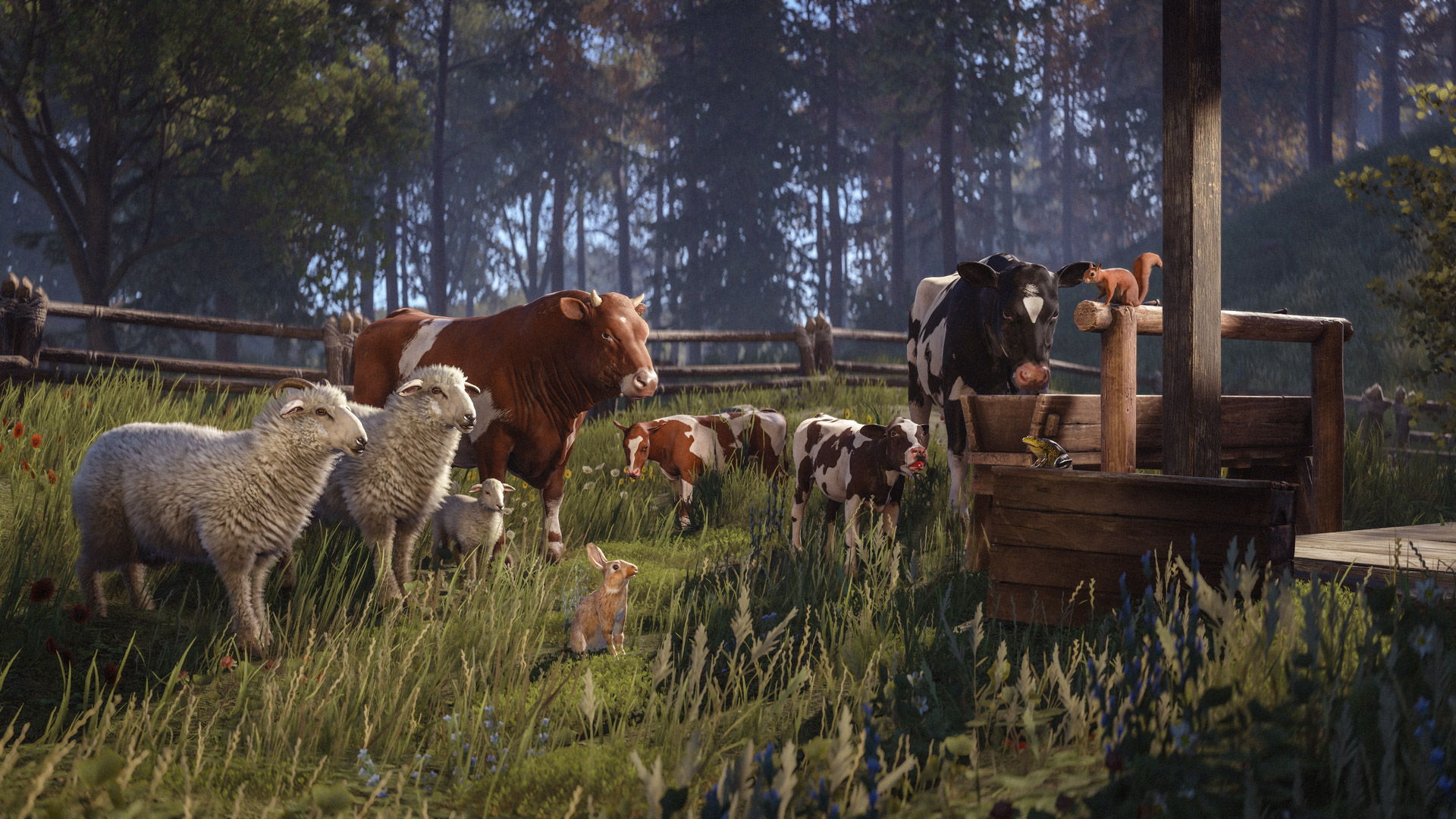
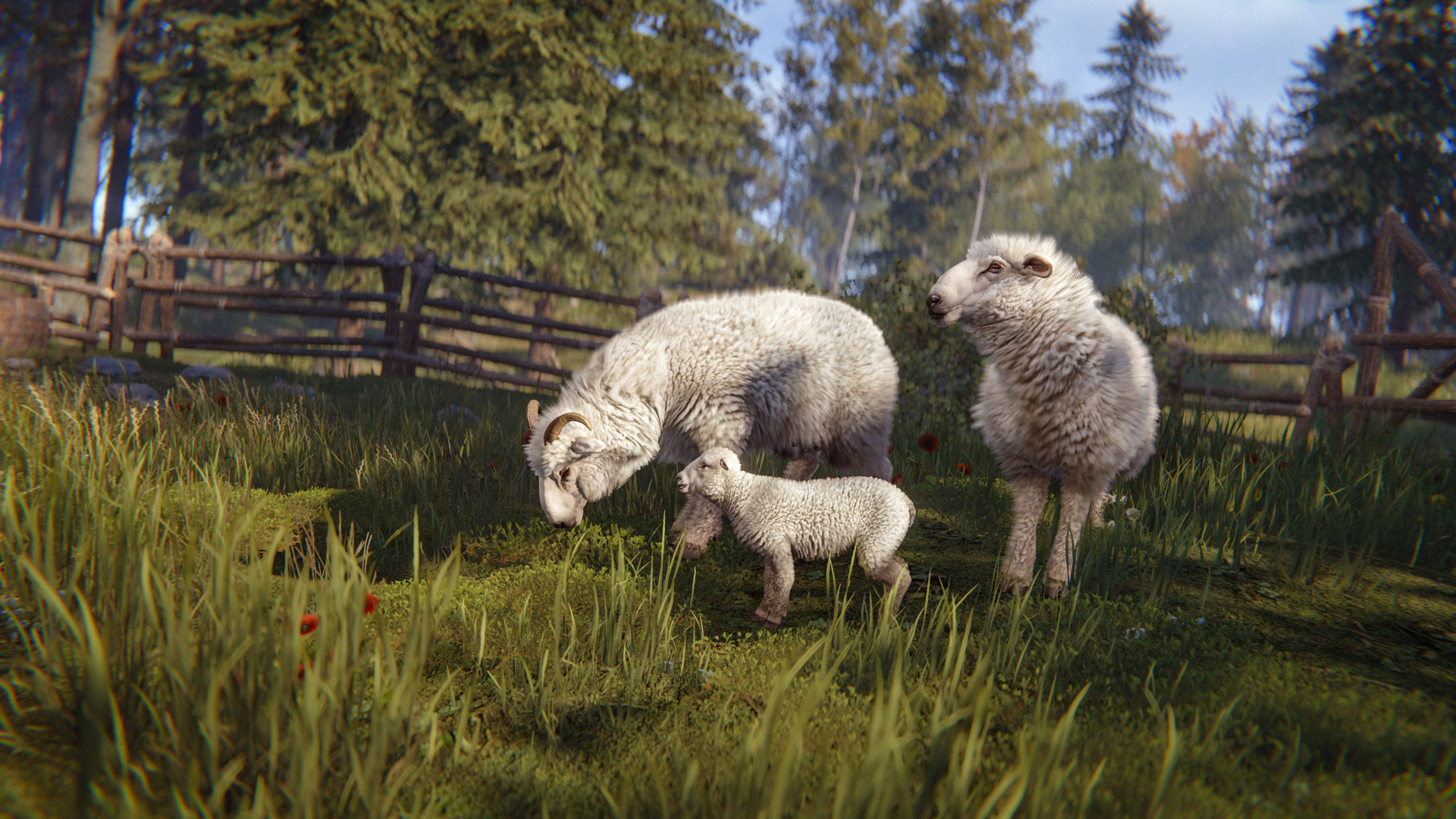
According to Facepunch's own devblog, the headline feature is livestock husbandry: cows, bulls, calves, sheep and lambs that you can capture, raise, breed and eventually sell. Cows produce milk and, once slaughtered, beef, bones and leather. Sheep produce wool on top of mutton, bones and leather. Both animals also drop dung as a passive byproduct, which feeds directly into the game's existing farming and composting loop.
The update folds livestock straight into cooking and brewing. Milk can be refrigerated into Skimmed Milk and Cream, and both ingredients now upgrade most of Rust's pure teas into stronger Milky and Creamy versions. New recipes round out the kitchen side: Beef Pie, Shepherd's Pie and Brioche Bread all require ingredients that only exist because of this patch.
Livestock isn't an isolated side system either — it's built to be the main renewable source of cloth, meat and leather on a server, which were previously limited to whatever you could scavenge or farm from wild animals. That's the context worth keeping in mind as you decide how much base space to dedicate to a pen this wipe.
02How to Get Your First Cow or Sheep
Facepunch's patch notes are intentionally light on exact spawn locations, noting only that "there are multiple ways to capture wild livestock, some more efficient than others, but they should all be pretty intuitive." In practice, that means two viable paths into animal ownership on day one.
The first is capturing a wild cow or sheep directly from the world — both animals spawn in grassland biomes and can be lured or herded rather than only killed outright. The second, faster option is buying a young animal outright from a vendor at a Ranch or a Large Barn, the two new monument types this update adds to the loot pool. Either route gets you to the same place: an animal you can walk home and start raising.
Steps to Start Your First Herd
- 1Decide whether you're capturing a wild cow or sheep from a grassland biome or buying a young one outright — buying is faster but costs scrap or components at the vendor.2 minutes
- 2Head to one of the two new monument types added this patch; both now stock a livestock vendor selling young, untamed animals.5-10 minutes
- 3Lure a wild animal home, or pay the vendor price for a young cow or sheep — either way you'll need a way to walk it back to base.5 minutes
- 4Place the new animal fences and gates around a small area connected to your base so the animal can't wander off or get picked off by wildlife.10 minutes
- 5Treat the pen like a planter box — animals have ongoing needs, and neglecting them for long stretches hurts growth and output quality.1 minute per visit
- 6Pair up animals once they're mature to begin working toward better genetics, keeping an eye on which offspring show the strongest traits.varies
03Penning, Feeding and Keeping Your Herd Alive
Once you've got an animal home, it needs somewhere to live. The update ships new animal fences and gates specifically for this, built to pen livestock the way regular fences keep raiders out. Facepunch's Adam W, credited with the fencing and sandbag work this patch, built the pen pieces to snap together cleanly with existing base foundations, so you don't need to sacrifice a full grid square just to keep a cow contained.
Like the crops Rust already has, livestock has ongoing needs rather than being a "place and forget" decoration. Leaving an animal unfed or unattended for long stretches will hurt its growth and the quality of what it eventually produces, so treat a pen the same way you'd treat a planter box — something you check on every login, not something you build once and ignore for a week.
04Breeding for Better Genetics
The most interesting part of the system is genetics. Per the devblog, animals "have genetics and needs" the same way plants do, and "can be bred to hunt for a god clone" — Rust's long-running term for a specimen with the best possible stat roll. The catch, straight from Facepunch: "the genes won't behave exactly like plants, so old techniques may not apply." If you spent hundreds of hours perfecting clone farms before this patch, that experience will help you understand the system faster, but it won't let you copy your exact plant routine onto a barn full of cows.
“There are multiple ways to capture wild livestock, some more efficient than others, but they should all be pretty intuitive.”Maverick, Rust Developer, Facepunch Studios
Practically, that means your first batch of animals this wipe should be treated as a genetics investment rather than a final herd. Hold onto whichever cow or sheep shows the strongest early traits, breed selectively from there, and expect the good stats to take a few generations to stabilize — the same patience curve as berry farming, just applied to animals that also need feeding and space.
05Milk, Wool and the New Farmhouse Recipes
Day-to-day, a healthy cow is a renewable milk source, and milk is more useful this patch than it's ever been. Refrigerating it for roughly four hours converts it into Skimmed Milk and Cream, both of which stack onto Rust's existing pure teas to create Milky and Creamy variants with longer duration and stronger effects than the base recipes. If your base already runs a tea rotation for raiding or PvP, a single cow is enough to noticeably upgrade that rotation within the first few days of a wipe.
Sheep are the simpler of the two animals to plan around: wool from a grown sheep feeds directly into clothing and crafting that previously relied entirely on hemp cloth, giving you a second renewable source instead of a single point of failure. Combined with the new Beef Pie and Shepherd's Pie recipes, a small, well-kept herd of two or three animals can realistically cover a solo or duo's food needs for most of a wipe without a single trip to a monument.
06Selling Livestock and Wool at the Stable
Not every animal needs to stay in your pen forever. Grown cattle and sheep can be sold at a Stable vendor for a randomized bundle of resources, with the offer scaled to the animal's gene quality — a strong roll nets a noticeably better trade than an average one. That single mechanic turns breeding from a pure self-sufficiency play into something closer to a resource export, especially on a server where multiple groups are competing for the same scrap and components.
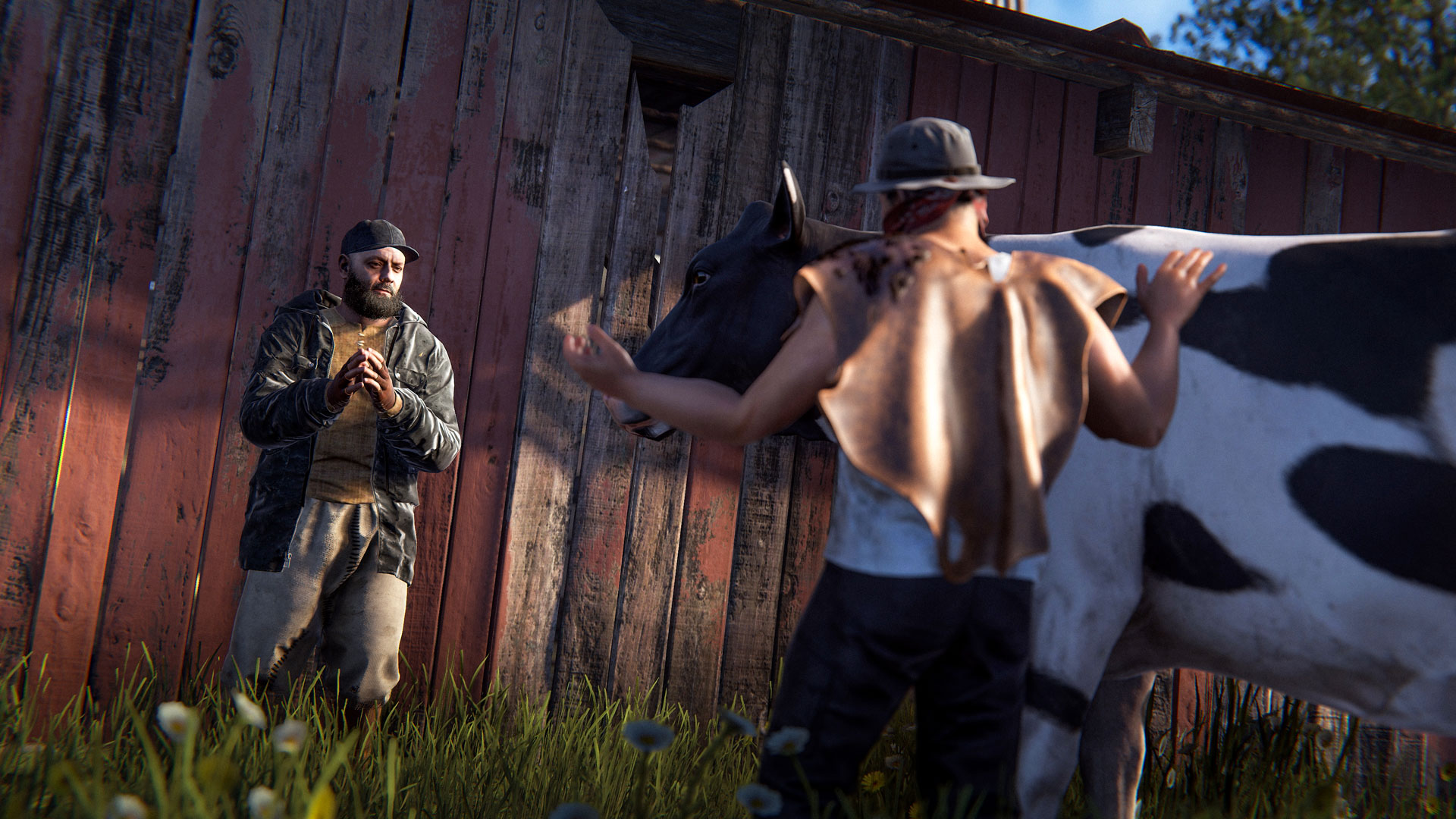
If you're deciding between keeping a mediocre-gene animal for its milk or wool versus selling it on, the Stable is usually the better outlet once you've already got one or two stronger breeders established in the pen — there's little reason to keep feeding an animal whose genetics you've already surpassed.
07The Rest of October's Patch: Biofuel, Sandbags and Loot Rooms
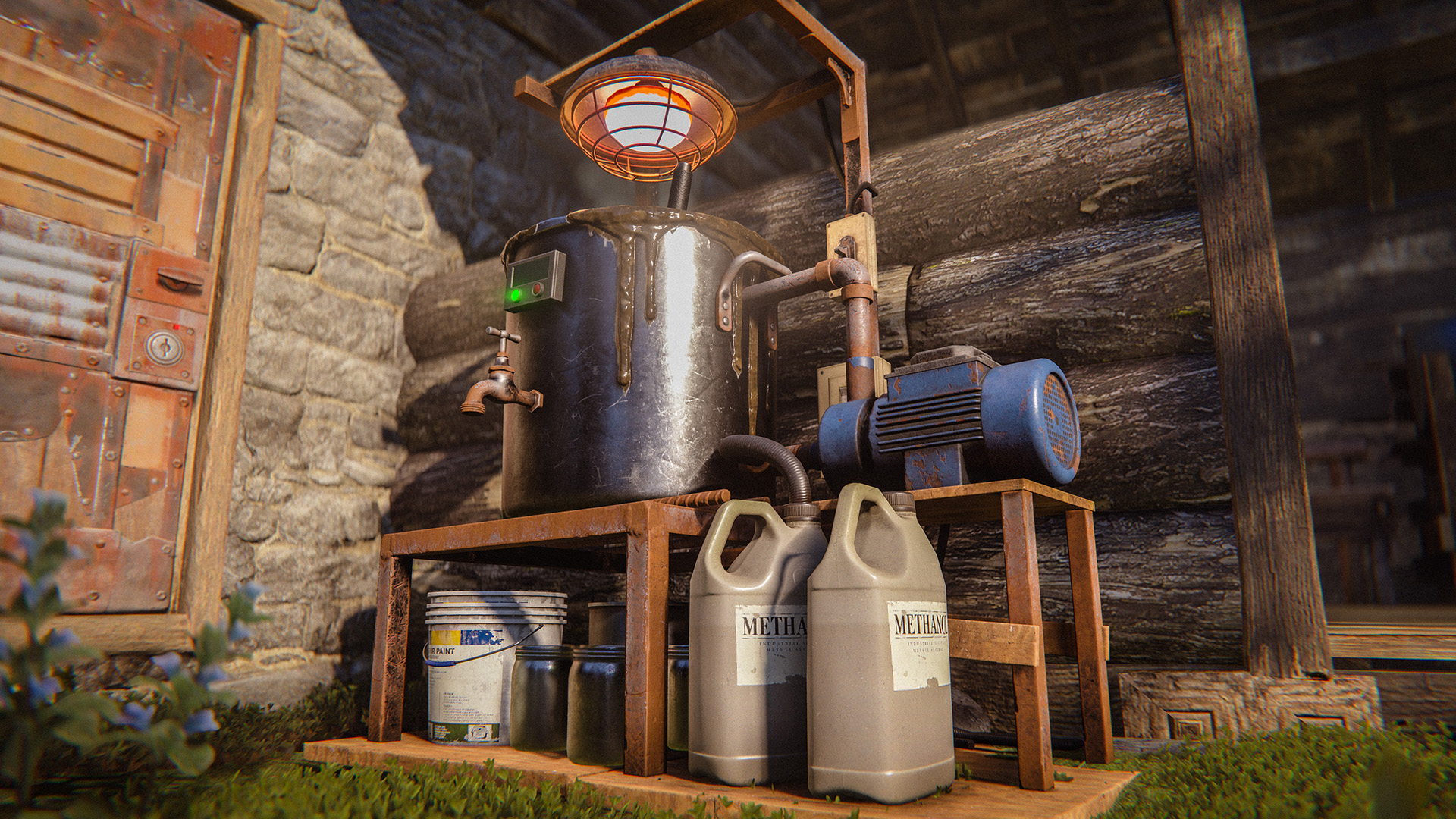
Livestock is the headline, but it's not the whole update. The new Biofuel Generator, built by Ian Henderson, finally gives raw or spoiled meat a use beyond the trash can: it converts organic matter into Low Grade Fuel, with output scaled to the calorific value of whatever you feed it. The one real limitation is that it has to be stirred by hand roughly every thirty minutes to keep working, so it rewards players who are actively online rather than offline AFK setups.
Sandbag Barricades got a full rework this patch too: they now stack in four visible stages, crafting cost is down, and looted sandbags drop in stacks of four with a max stack size raised to 20, making them a far more practical early-wipe cover option than before. Separately, Damian Lazarski's team added new Powergrid Loot Rooms to several monuments beyond the original Powerplant, each locked until enough Heavy Fuses are fed into the grid to unlock it — tougher monuments demand more fuses, so treat these as a mid-to-late-wipe target rather than a day-one raid.
None of these systems are hidden behind a DLC or a separate purchase — they're live for everyone on the standard October 1 force wipe, official or modded, the moment your server updates. If you're planning your base layout for this wipe, it's worth leaving room near your main compound for a pen and a Biofuel Generator from the start, rather than trying to retrofit livestock into a build that's already full.
FAQ
How do I get a cow or sheep in Rust's Livestock Update?
Capture a wild cow or sheep from a grassland biome, or buy a young one from the new livestock vendor at a Ranch or Large Barn monument.
How does livestock breeding and genetics work in Rust?
Facepunch says animals have genetics and needs similar to plants and can be bred toward a top-tier 'god clone,' though the developer has been clear the genes don't behave exactly like plant genetics, so established clone-farming techniques won't transfer directly.
Where can I sell cows and sheep in Rust?
Grown cattle and sheep can be sold at a Stable vendor for a randomized bundle of resources, with better-gene animals earning a stronger trade.
What does the new Biofuel Generator do?
It converts raw or spoiled meat and other organic matter into Low Grade Fuel, though it needs to be stirred by hand roughly every 30 minutes to keep producing.
When did the Rust Livestock Update release?
The update went live on October 1, 2026, alongside that month's scheduled force wipe.
Official resources

Jonas runs the guides desk at Tutorial.Games. He replays every route, build and boss strategy on the current patch before it goes up, and re-checks it when the developer ships a balance update. Soulslikes, co-op action games and anything with a build planner.