Permafrost Beginner's Guide: How to Survive Your First Hours
Permafrost just launched in Steam Early Access. Here's how to manage the cold, scavenging, and your dog companion to survive your first hours.
Permafrost entered PC Early Access on Steam, GOG.com, and the Epic Games Store on October 9, 2026, and if you've already bought in, the first few hours can feel overwhelming. Developer SpaceRocket Games built a story-driven survival sandbox where the cold itself is the antagonist, not wandering monsters, and that changes how you should be spending your early playtime. This guide walks through what to prioritize first, how the dog companion actually helps, and where to put your effort before you push deeper into the frozen world.
01What Is Permafrost, and Why It's Worth Starting Now
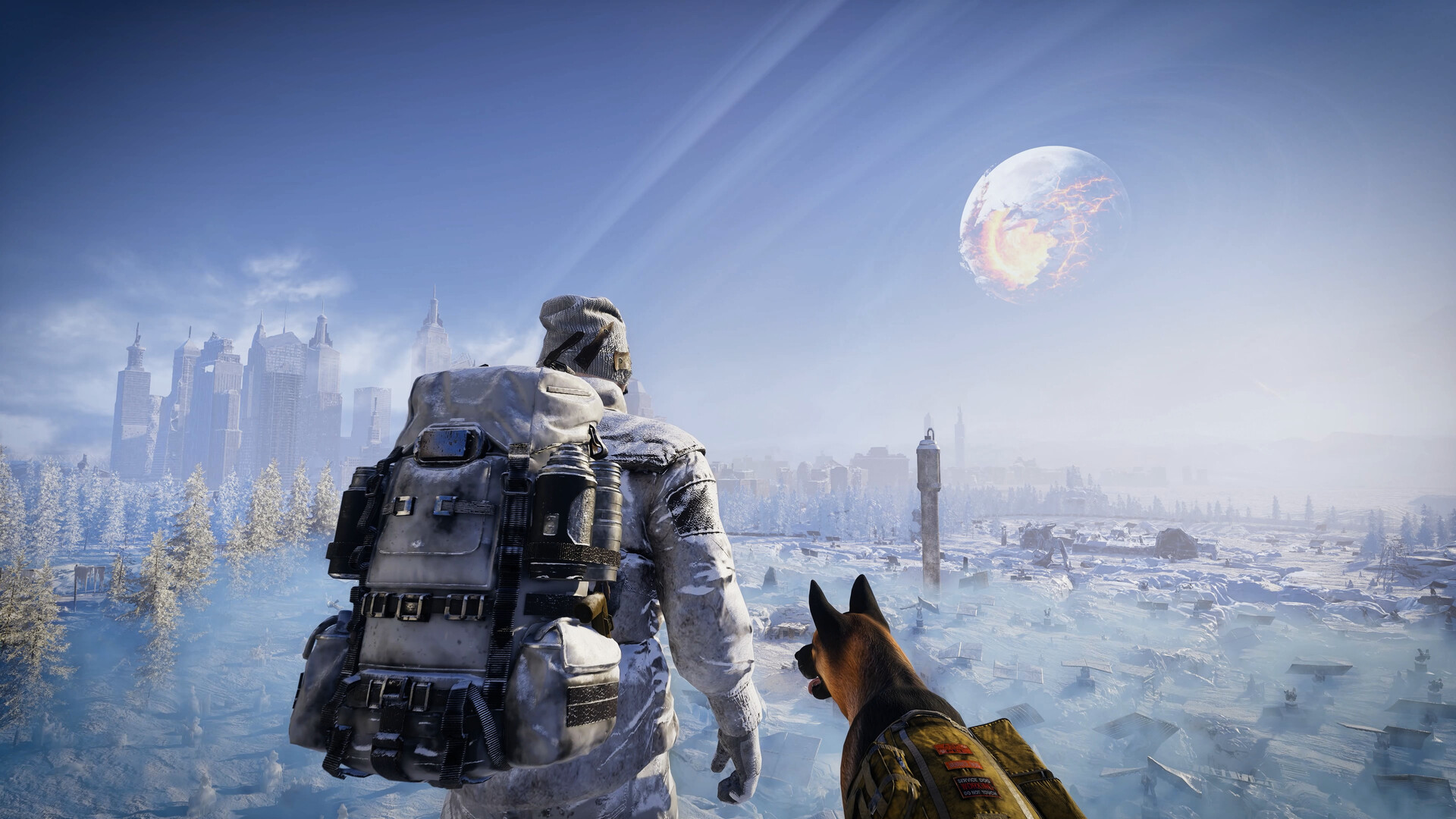
You play as Rook, an engineer with rebuilding skills but little wilderness experience, pulled into a frozen, post-apocalyptic Earth by a radio signal from a long-lost friend. According to the game's own Steam description, the setting is a near-future world locked in endless winter after a series of catastrophes, and progress is gated by exploration rather than levels: you restore abandoned shelters, repair broken machines, and reclaim fragile pre-collapse technology to push into new territory.
Permafrost launched at $19.99, a 20% discount off its $24.99 list price, and SpaceRocket Games has said that price is likely to climb as more content lands during Early Access. It's PC-only for now, with no console version announced, and you can tackle it solo or alongside up to three friends in co-op. It's also worth knowing this is SpaceRocket Games' first release — the studio grew from a three-person prototype started in December 2022 into a 15-person team by launch, and the developers have said an extensive content roadmap is already in place for the months ahead, shaped partly by community feedback once more players get hands-on time.
The road to launch included a public playtest that ran from October 2 to October 6, letting players request Steam access, try an early build, and report issues before the Early Access version went live on the 9th. If you ran into rough edges in that playtest build, it's worth checking patch notes before assuming a bug you remember is still there — the team has had a few days of live feedback to react to since.
02The Cold Is Your Real Enemy, Not Monsters
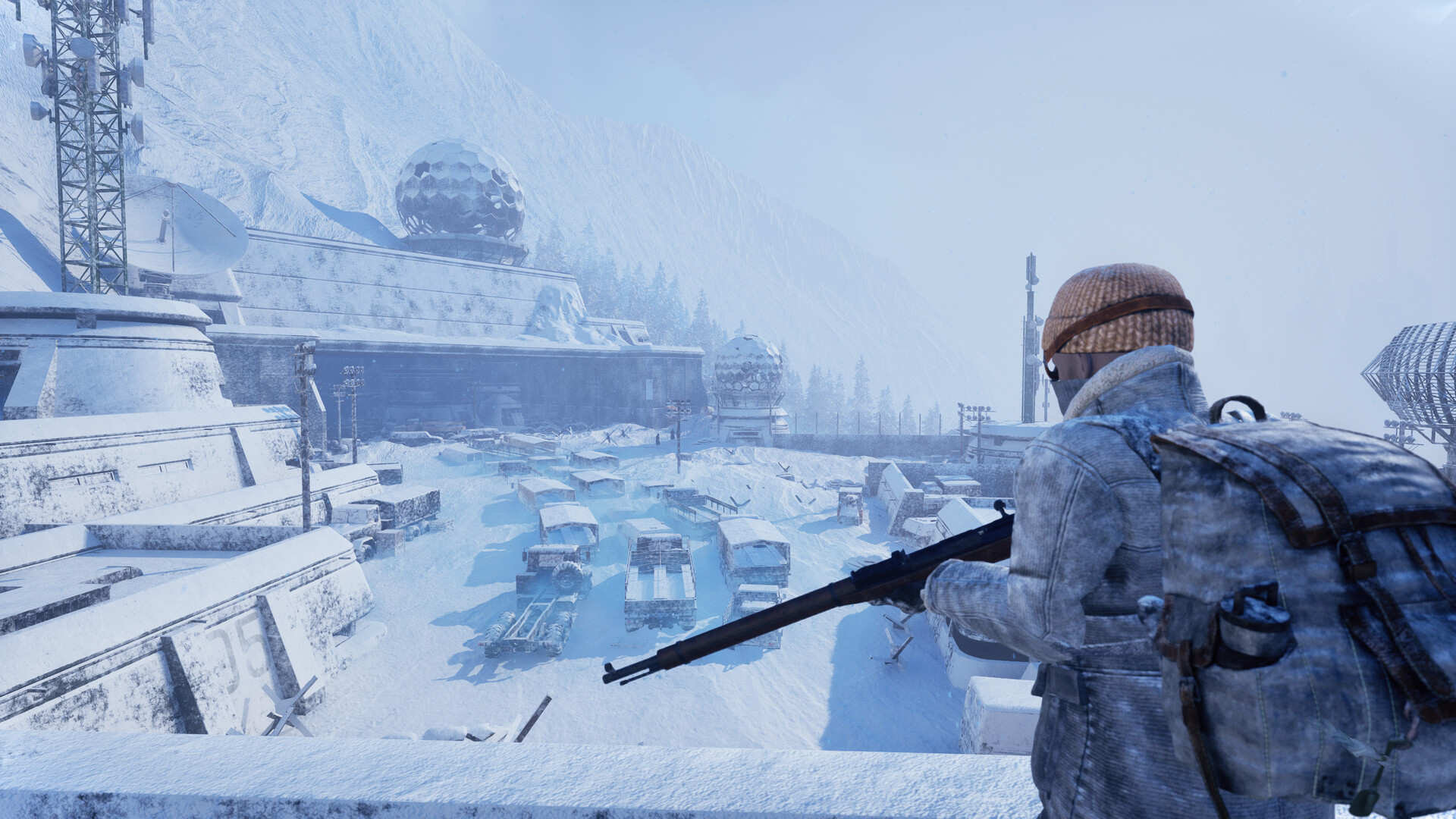
The developers are explicit about this: frostbite, storms, and a creeping drop in body temperature are what actually kill you early on, and the Steam page frames preparation, shelter, and timing as "matters of survival" in their own right. That means your first instinct shouldn't be to fight or flee from a threat on the horizon — it should be to check how exposed you are and how far you are from warmth.
Treat every trip outside a shelter as a countdown. If a storm rolls in or dusk hits while you're still far from cover, that's a bigger emergency than running low on ammo or tools would be in most other survival games. Crafting protective clothing early — alongside your tools and weapons — isn't optional flavor here; it directly extends how long you can stay productive outside before the cold forces you back in.
03Your First Ten Minutes: Wood, Stone, and Fire
Before you worry about the wider map, get the basics locked down. Wood and stone are the backbone of early crafting, and a fire is the fastest way to buy yourself breathing room against the cold while you figure out your surroundings. Don't burn through every scrap of wood on warmth alone — you'll need some of it for tools and early building pieces too, so split what you gather instead of dumping it all into one campfire.
Your First Hours in Permafrost, Step by Step
- 1Before anything else, collect enough wood and stone to craft basic tools and build a fire. These two resources are the foundation for almost everything else you'll make early on.First 10 minutes
- 2Get a fire going near your starting point so you have a guaranteed way to warm back up. Don't spend every scrap of wood on it — save some for tools and shelter pieces.Within 15 minutes
- 3Once you're reunited with your dog, use it to check unfamiliar rooms and paths before you commit to them. It warns you of danger and can carry extra supplies.As soon as you have it
- 4Don't only craft weapons and tools — basic protective clothing extends how long you can stay outside before the cold forces you back in.First hour
- 5Split your time between hunting for food and scavenging ruins for crafting materials and old-world tech like batteries. Don't burn through scavenged components the moment you find them.First few hours
- 6Pick a single abandoned shelter close to your start and get it fully operational before searching for a second. One reliable base beats two unfinished ones.First few hours
- 7If you're playing with up to three friends, agree on who's handling scavenging, hunting, and repairs before you split up, instead of everyone wandering the same ground.Before your first co-op session
04Your Dog Is a Utility Tool, Not Just a Companion
Permafrost gives you a dog you rescue from the ruins, and it's built to be genuinely useful rather than decorative. Per the official game description, your dog scouts ahead, warns you of danger, and carries supplies for you — which matters a lot given how limited your own backpack space is early on. Lean on it to check unfamiliar rooms or paths before you commit to them, and let it carry the bulkier scavenged materials so you have room left for anything urgent you find along the way.
05Rival Factions and Cold Zones Raise the Stakes Later
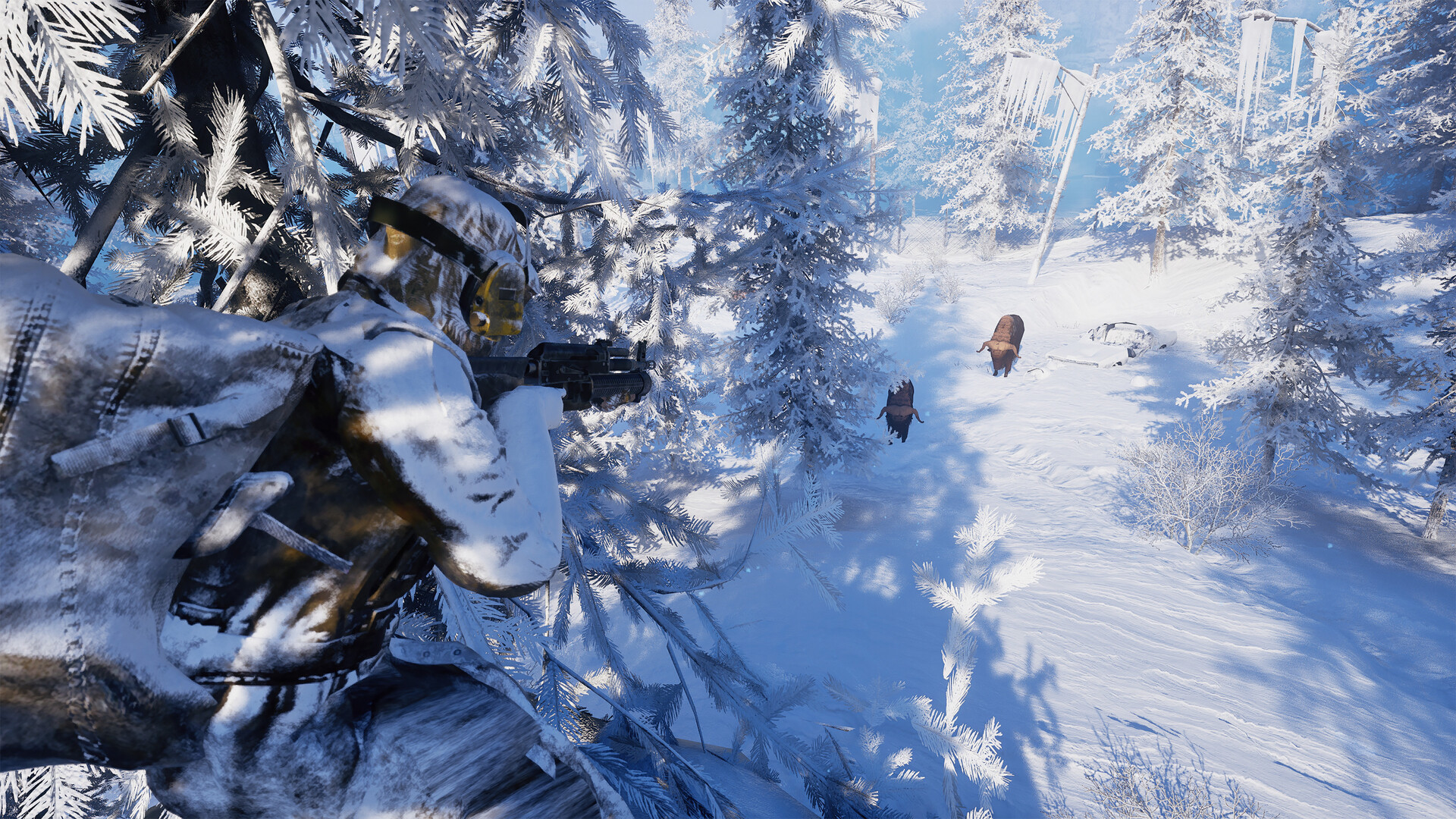
Once you've got the basics down, the map stops being just weather and wildlife. Publisher materials describe rival factions contesting territory across the frozen world, with faction-controlled areas you'll need to navigate carefully rather than walk straight through. Layered on top of that are what the developers call "cold zones" — pockets of the map with harsher conditions than the surrounding area, but better loot to match the risk.
Don't go looking for either on day one. Faction territory and cold zones are the kind of content that rewards a prepared, well-equipped character, not someone still running on their starting gear. Get your shelter and crafting loop stable first, then start probing the edges of contested ground.
06Scavenging vs. Hunting: Where to Spend Your Early Hours
Food and temperature are the two resources the game asks you to juggle constantly, so your early hours should alternate between the two ways of covering them: hunting wildlife for food, and scavenging the ruined world for crafting materials and old-world tech. Batteries and other pre-collapse components are worth more as crafting resources than almost anything you'd use them for in the moment, so resist the urge to burn through them the first time you find one.
Don't commit to a single long scavenging run on your first day. Short, safe loops back to a known warm spot teach you the map's immediate dangers without risking a frostbite death over loot you haven't even identified yet.
07Restoring Shelters Unlocks the Rest of the Map
Because Permafrost gates progress through exploration rather than a skill tree, the fastest way to open up new territory isn't grinding — it's repairing what's already there. Restoring an abandoned shelter or getting a broken machine running again is how you reclaim ground from the cold, and each one you fix becomes a new safe point to retreat to, which matters more here than in most survival games given how aggressively the weather punishes you for being caught out in it.
Pick one shelter close to your starting area and get it fully operational before you go looking for a second. A single reliable base beats two half-finished ones when a storm catches you off guard, and it gives you a reliable fallback point as you start testing faction territory and cold zones further out.
08Solo or Co-op, and Why the Delay Was Worth It
Permafrost supports solo play or online co-op for up to four players total, and Toplitz Productions has been upfront that co-op doesn't make the world easier — it just means dividing responsibilities like scavenging, hunting, and shelter repairs so the cold doesn't catch everyone at once. If you're playing with friends, decide early who's handling which job instead of all four of you wandering the same stretch of wilderness.
The Early Access build you're playing was originally scheduled for an August 21 release before Toplitz Productions pushed it back two months.
“We decided to give the development team a little more time to finetune the game from performance to content.”Sebastian Fleer, COO, Toplitz Productions
That extra development time shows up in how settled the core survival loop already feels for an Early Access title, even with new content still being added over the months ahead. The official launch trailer below gives a good sense of the tone SpaceRocket Games is going for — quiet, desperate, and much more about endurance than combat.
Permafrost is still early in its Early Access run, so treat anything beyond these fundamentals as subject to change as SpaceRocket Games works through its roadmap. The core advice should hold up regardless: manage your temperature before anything else, lean on your dog instead of ignoring it, fix shelters instead of just looting them, and save faction territory and cold zones for once you're actually equipped to handle them.
FAQ
When did Permafrost launch, and on which platforms?
Permafrost entered PC Early Access on October 9, 2026, through Steam, GOG.com, and the Epic Games Store. It's PC-only at launch, with no console version announced.
How much does Permafrost cost?
Permafrost launched at $19.99, a 20% discount off its $24.99 list price. SpaceRocket Games has said the price is likely to rise later in Early Access.
Can I play Permafrost with friends?
Yes. Permafrost supports solo play or online co-op for up to four players total.
What's the biggest threat early on?
The cold itself. Frostbite, storms, and dropping body temperature are bigger early threats than any enemy, so shelter, fire, and protective clothing come before combat prep.
Does my dog fight, or just help me explore?
According to the developers, your rescued dog scouts ahead, warns you of danger, and carries extra supplies — it's a utility companion rather than a combat pet.
Official resources

Jonas runs the guides desk at Tutorial.Games. He replays every route, build and boss strategy on the current patch before it goes up, and re-checks it when the developer ships a balance update. Soulslikes, co-op action games and anything with a build planner.