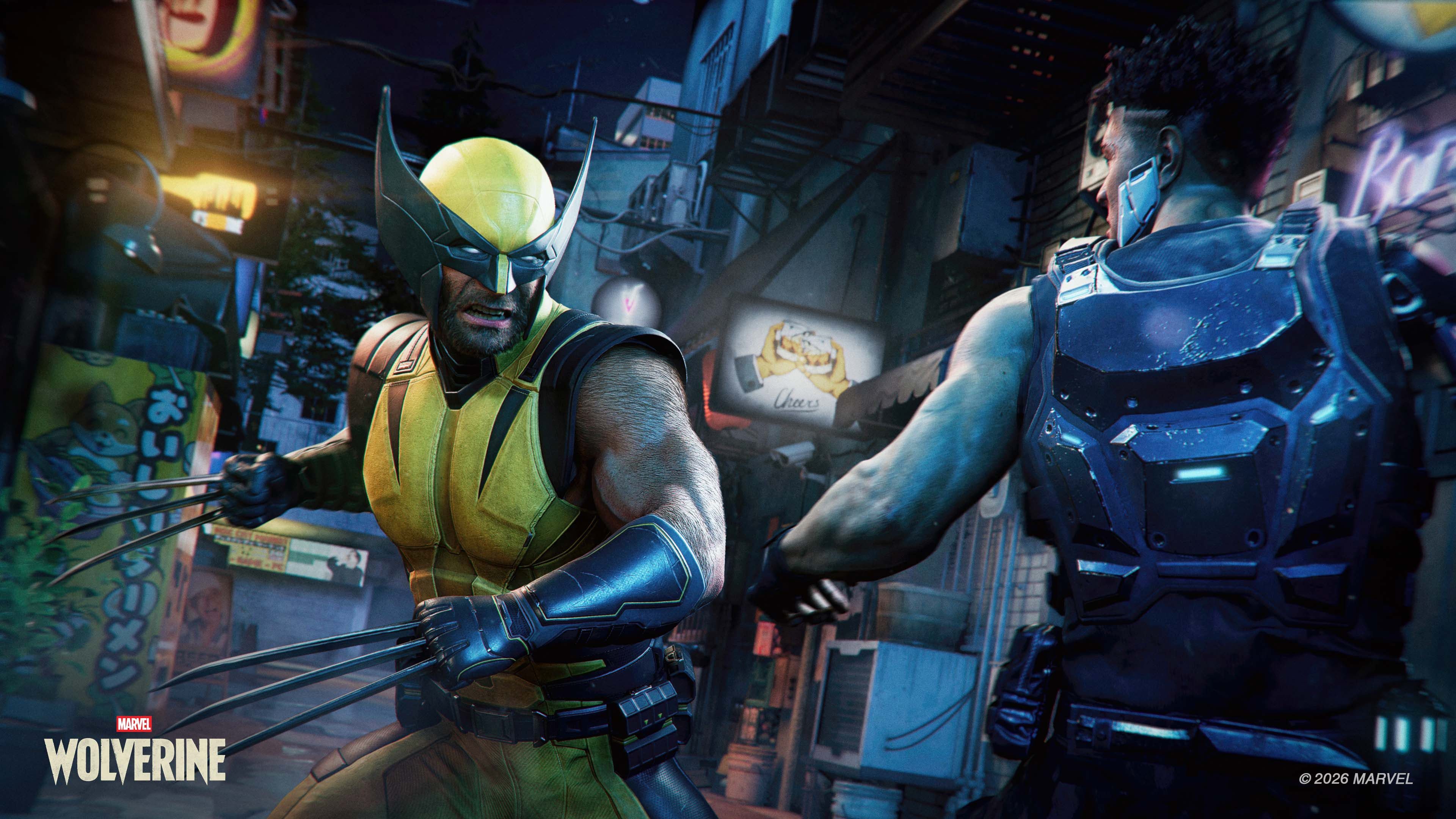
Marvel's Wolverine: Best Controls and Accessibility Settings
Marvel's Wolverine's best controller remaps, Sprint and Melee modes, camera settings, and over 100 accessibility options worth changing before you play.
Marvel's Wolverine launched exclusively on PlayStation 5 on September 15, and Insomniac Games buried its usual deep settings menu under a pause screen most players never fully open. Between controller remapping, three separate combat-speed modes, adjustable difficulty parameters, and more than 100 accessibility options, there's a lot to configure before Logan feels right in your hands. This tutorial walks through the controls, assists, and accessibility categories worth changing on day one, based on the game's official features trailer and its published accessibility breakdowns.
01Set Up Controller Remapping and D-Pad Shortcuts First
Open Settings > Controls from the pause menu before you touch anything else. Marvel's Wolverine supports full button remapping across two separate custom profile slots, on top of a handful of built-in presets, so you can build one layout for story missions and a second for combat-heavy encounters without redoing your inputs every time you swap. The default scheme has you hit L2 + R2 outside of combat to pop your claws; if that stretch feels awkward on a standard DualSense grip, move claw-pop to a single shoulder button or one of the D-pad shortcuts instead.
D-pad direction customization exists specifically to replace simultaneous inputs like that L2 + R2 combo, which matters most if you're playing with reduced grip strength or just want faster access mid-fight. The same Controller and Layout menu also holds an inverted-look toggle, a switch for objective versus collectible tracking on the map, and separate hold-versus-double-press settings for combat inputs — worth a pass even if you never touch the rest of the accessibility suite.
If your DualSense supports adaptive triggers on your setup, the same menu exposes L2/R2 force and tension levels independently of the button remap itself, so you can soften the resistance on the claw-pop trigger without changing what it's bound to.

02Choose the Right Sprint, Melee and Special Techniques Modes
Three separate "mode" settings change how much you have to hold down versus tap, and picking the right combination is the single biggest comfort upgrade available:
- Sprint Mode — Hold, Toggle Hold, Toggle Release, or Auto. Auto pairs with an always-sprint option and automatic gap-jumping, which is the easiest way to move through Manhattan's rooftops without fighting the stick during traversal-heavy chapters.
- Melee Mode — Single, Combo, or Continuous. Continuous turns a single held button into an ongoing combo, which is far more forgiving during long encounters than mashing for Single-press combos, while Combo rewards players who want to chain specific inputs deliberately.
- Special Techniques Mode — a hold-vs-toggle choice for the four Special Techniques you can equip at once. According to Insomniac's own features breakdown, techniques like Knee Breaker and Spiral Strike are built to chain into each other, so toggling them on rather than holding frees up a finger for dodging.
Repeated Button Press settings sit in the same menu and let you swap tapping requirements for holds anywhere the base game expects rapid presses, which is worth checking alongside Melee Mode rather than on its own — the two settings overlap on several combo inputs.
03Fine-Tune Difficulty, Speed and Combat Assists
Beyond the standard difficulty presets, Marvel's Wolverine breaks combat pacing into two independent sliders: Global Game Speed and Combat Game Speed, each running from 100% down to 70%, 50%, or 30%. Slowing Combat Game Speed alone keeps exploration and cutscenes at normal pace while giving you more reaction time in fights, which is a cleaner adjustment than dropping the overall difficulty if timing — not damage — is the issue.
Challenge-level options go further still, with separate adjustments for enemy health, enemy damage output, and enemy AI detection difficulty during stealth sections. A Chase Assist option reduces pursuit-target speed for anyone who finds the open-world chase sequences punishing, and a full Skip Puzzle toggle removes Nightmare Cabin-style puzzles from the critical path entirely rather than just hinting at the solution.
04Tune Adaptations So Your Control Scheme Actually Fits
Adaptations are Logan's passive upgrade system, and several of them directly change how forgiving your control setup feels rather than just raising numbers. The official trailer breakdown confirms Adaptations that expand parry windows, increase Rage effectiveness, and let Logan absorb more bullets before flinching. If you've set Melee Mode to Continuous for accessibility reasons, prioritize the parry-window Adaptations early — a wider window compensates for the timing precision you give up by not using Single-press melee. Pair that with a lower Combat Game Speed while you're still unlocking Adaptations, then bump the speed back up once your build carries more of the workload.
05Adjust Camera, Motion and Vibration Settings
Under Motion Sensitivity, Marvel's Wolverine lets you dial down camera shake, film grain, motion blur, and camera rotation independently, plus resize, recolor, and adjust the opacity of a stabilizing center-screen reticle — all aimed at players sensitive to motion sickness during Logan's faster traversal and Rage sequences. There's also a Combat Rotation Assist toggle and an automatic-camera-adjustment option that keeps the view centered while running, which helps if manual camera correction during sprints is the main source of discomfort.
Vibration has its own sub-menu too: an overall vibration mode, an intensity slider, a toggle specifically for cinematic vibration during cutscenes, and a separate footstep-vibration intensity setting you can turn down if the DualSense's rumble gets distracting during quiet exploration.

06Turn On the Accessibility Assists That Help Most
Insomniac carried its Gameplay Assists category over from its Spider-Man and Ratchet & Clank accessibility work, and Marvel's Wolverine's version includes an always-sprint toggle, QTE autocomplete, an auto-combo option, target-lock adjustment, a no-knockout mode that makes Logan immune to being staggered out of a fight entirely, and an R3 directional pointer for players who find the open-world navigation markers hard to track. Button-prompt visibility and tutorial-popup frequency are separate toggles in the same list, so returning players can strip out onboarding hints without touching anything else. None of these are locked behind a difficulty setting — they're independent toggles you can mix with any difficulty level or Combat Game Speed value.
Setting Up Marvel's Wolverine's Controls
- 1From the pause menu, go to Settings > Controls to reach remapping, D-pad shortcuts, and the two custom profile slots.1 min
- 2Move the default L2 + R2 claw-pop combo to a single button or D-pad shortcut if the stretch feels awkward, then save it to a profile slot.2 min
- 3Choose Auto for Sprint Mode if you want always-sprint traversal, and pick Continuous Melee Mode for more forgiving combo timing.1 min
- 4Switch Special Techniques Mode to toggle instead of hold so you can chain Knee Breaker and Spiral Strike without tying up a finger.1 min
- 5Lower Combat Game Speed to 70% or 50% if timing is the issue, while leaving Global Game Speed at 100% for normal exploration pacing.1 min
- 6Turn on Gameplay Assists like Chase Assist, no-knockout mode, or Skip Puzzle, then move to Audio Assists for voice boost and the screen reader.2 min
- 7Reduce camera shake, film grain, and motion blur under Motion Sensitivity, then tune vibration intensity and footstep rumble separately.2 min
- 8Confirm your layout to a profile slot, then jump into an early encounter to check that Melee, Special Techniques, and camera settings feel right together.2 min
07Set Up Audio, Subtitles and the Screen Reader
Audio Assists cover voice boost for dialogue clarity, distinct audio cues for successful blocks and dodges, a proximity chime for nearby collectibles, and heartbeat audio tied to low health. A full screen reader reads out menus, tutorial prompts, and notifications, with its own volume, speed, verbosity, and repeat-rate sliders. Subtitles get three size presets, an adjustable background-opacity slider, speaker-tag color coding so you can tell characters apart at a glance, and optional descriptions of emotional tone and ambient sound baked into the subtitle text itself. English audio description is confirmed at launch, matching what Insomniac calls out in its own accessibility rundown.
“Marvel's Wolverine includes over 100 new, returning and improved Accessibility Features from previous Insomniac games, like High Contrast visuals, Audio Description (English), Global Game Speed, and Strong Haptic Signals.”Aaron Jason Espinoza, Senior Community Manager, Insomniac Games
08Customize Violence and Language Filters
Marvel's Wolverine carries an ESRB Mature 17+ rating for Blood and Gore, Intense Violence, Partial Nudity, and Strong Language, and the settings menu gives you real control over how much of that you see. Dynamic Blood governs how much impact blood shows up during fights, a separate Dismemberment toggle can turn limb loss off entirely or blur it during cinematics only, and a Visceral Healing option reduces how much visible damage stays on Logan's body between regeneration ticks. A profanity filter softens the script's language without muting dialogue entirely. These sit apart from the core Accessibility categories, so you can turn down the gore while leaving every gameplay assist untouched, or the reverse.
Save your final layout to one of the two control profile slots once everything feels right, and check the ESRB rating page if you're setting this up on a shared or family console.
For background on the character and the wider release, Insomniac's game overview on Sony Interactive Entertainment's site, the official Marvel game page, and the game's Wikipedia entry all cover the September 15 launch in more detail than the settings menu ever will.
FAQ
Is there a PC version of Marvel's Wolverine with separate settings?
No. Marvel's Wolverine is a PlayStation 5 exclusive with no announced PC release, so every setting in this guide lives in the console's pause-menu Settings tab rather than a graphics options panel.
How many accessibility options does Marvel's Wolverine have?
Insomniac Games states the game ships with over 100 new, returning, and improved accessibility features, covering Gameplay Assists, Motion Sensitivity, Visual and Audio Assists, Violence Customization, Subtitles, and Controller and Layout.
What's the difference between Global Game Speed and Combat Game Speed?
Global Game Speed slows the entire game, including exploration and cutscenes, while Combat Game Speed only affects the pace of fights — useful if reaction time in combat is the only thing you want to change.
Can you turn off blood and dismemberment in Marvel's Wolverine?
Yes. The Violence Customization category includes a Dynamic Blood setting and a separate Dismemberment toggle that can remove limb loss entirely or blur it during cinematics only.
Does Marvel's Wolverine support DualSense adaptive triggers?
Yes, the Controller and Layout menu exposes L2 and R2 force and tension levels independently from button remapping, so you can soften trigger resistance without changing what the buttons do.
Official resources
- Marvel's Wolverine on PlayStation.complaystation.com
- PlayStation Blog: Features trailer breakdownblog.playstation.com
- Sony Interactive Entertainment: Marvel's Wolverinesonyinteractive.com
- ESRB rating: Marvel's Wolverineesrb.org
- Marvel.com: Marvel's Wolverinemarvel.com
- Wikipedia: Marvel's Wolverineen.wikipedia.org

Ana writes the step-by-step tutorials: settings, controls, configs and the systems games never explain properly. Every tutorial is tested on the version named at the top of the page, with the official patch notes linked so you can check what changed.