ARC Raiders Documentary Breakdown: Building the ARC Machines
Embark Studios' documentary series goes inside ARC Raiders' enemy design process, from engine placeholders to machine-learned, limb-breaking ARCs.
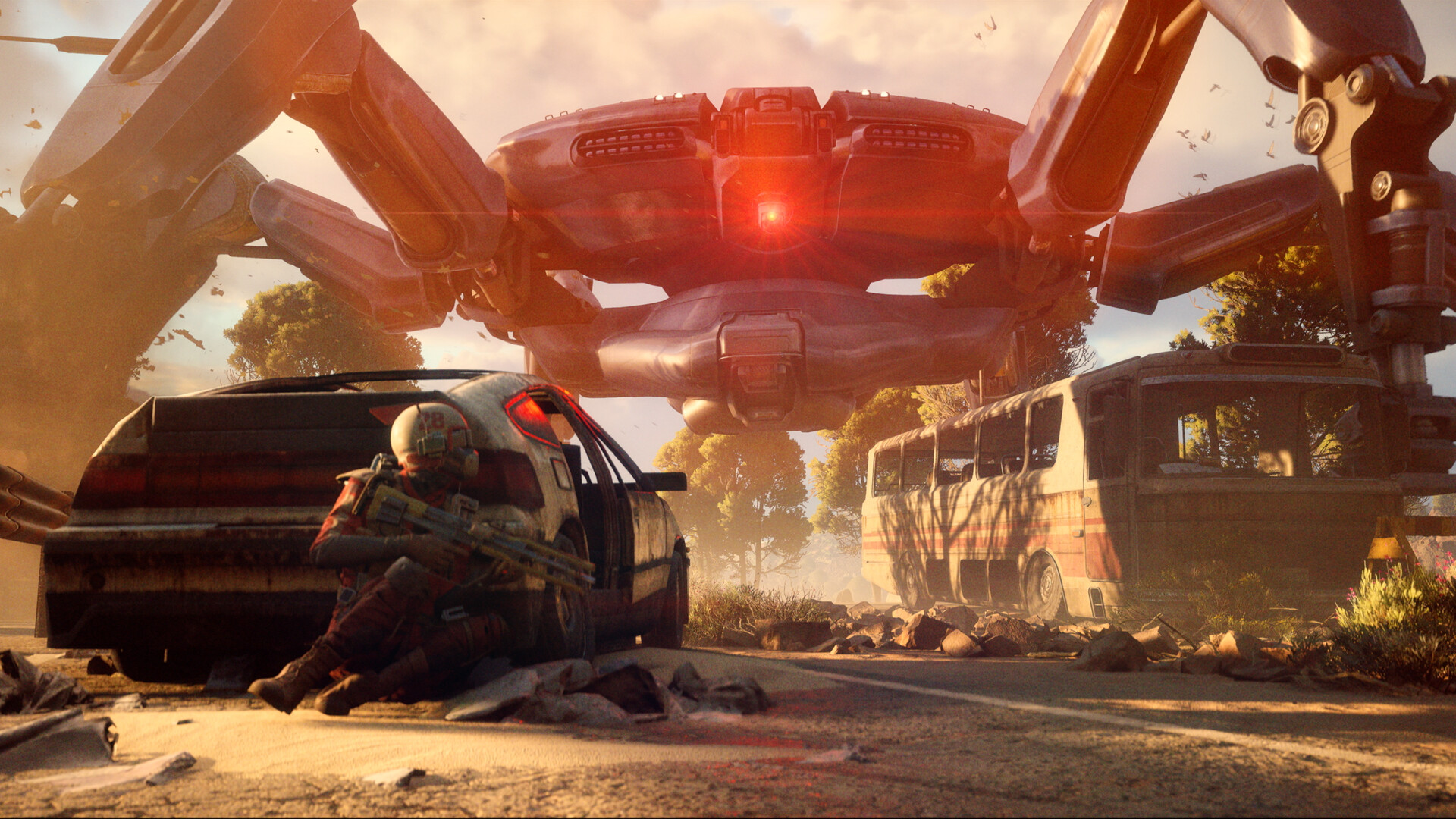
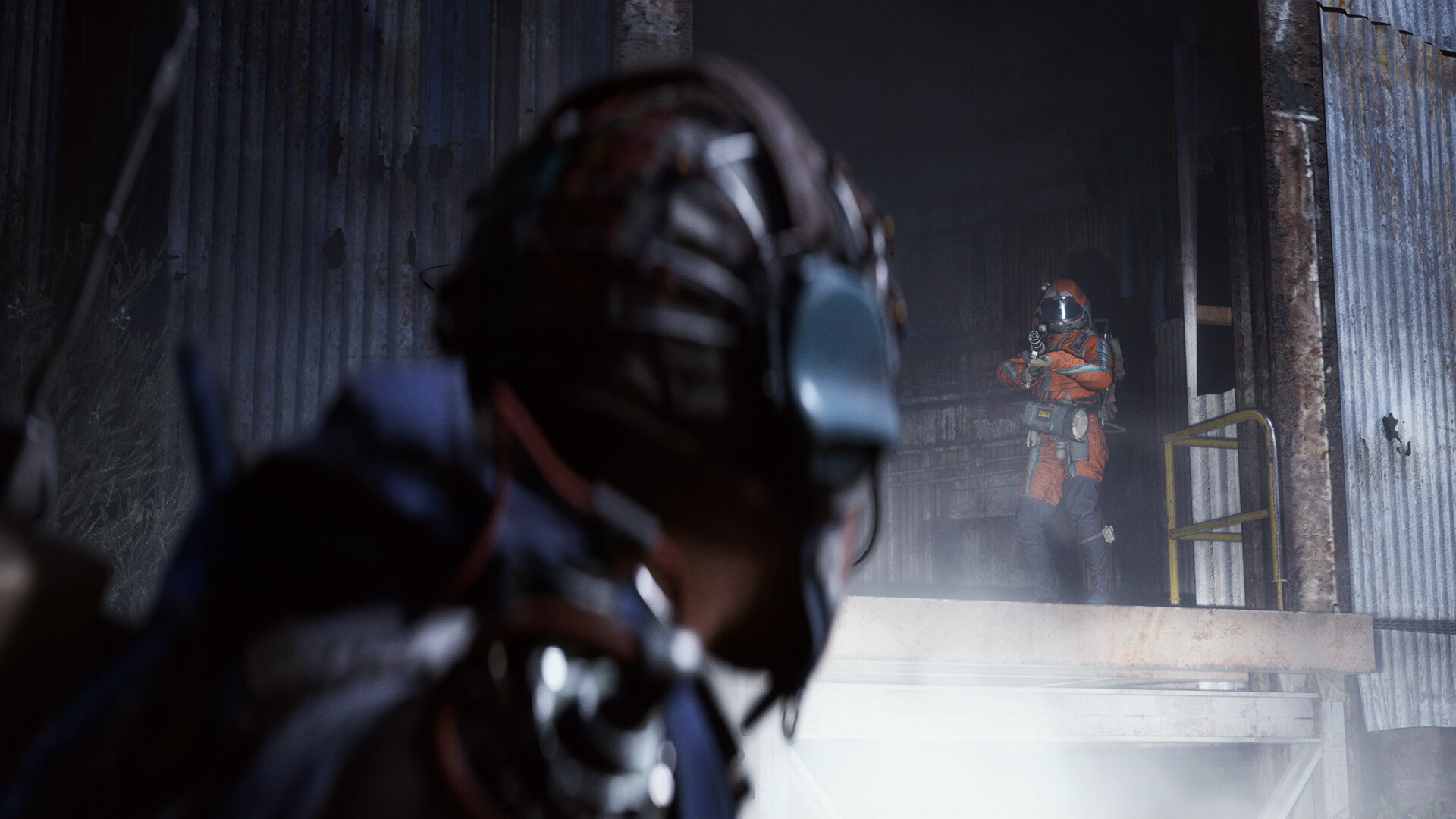
ARC Raiders launched on PC, PlayStation 5 and Xbox Series X|S on October 30, 2025, but the extraction shooter's deadliest feature almost didn't look anything like the twitching, limb-shedding ARC enemies raiders fight today. The Evolution of ARC Raiders EP3: Building ARC Machines, the third and final chapter of Embark Studios' development documentary series, walks through how those machines went from blocky engine placeholders to physically simulated predators that react to gunfire in real time. Here's what the 22-minute episode actually shows, and what it means for how you fight the ARC right now.
01What The Evolution of ARC Raiders is
The Evolution of ARC Raiders is a three-part documentary produced for Embark Studios' own YouTube channel and narrated by filmmaker Danny O'Dwyer, the founder of the documentary outfit Noclip. The series traces ARC Raiders' nearly seven-year development, including a 2021 reset that scrapped an earlier version of the project entirely. Episode 1, "Finding ARC Raiders," covers the studio's earliest days with six developers sketching ideas in an apartment. Episode 2, "The Life of a Raider," covers the pivot to the PvPvE extraction loop that shipped. Episode 3, "Building ARC Machines," is the one worth watching if you want to understand why the game's robotic enemies move the way they do.
02From engine blocks to killing machines
Episode 3 opens with footage of the earliest ARC prototypes: stiff, blocky stand-ins used to test encounter design long before the enemies had a final look. The documentary's framing is blunt about the gap between that placeholder and the finished game, describing the goal as turning "clunky blocks in an engine" into what Embark calls "terrifying and cunning killing machines." The episode uses that contrast to set up its real subject: the tools Embark built to get from one to the other, and the design reasoning behind each major ARC archetype players now encounter in the Rust Belt.
03Why Embark built machine-learned locomotion
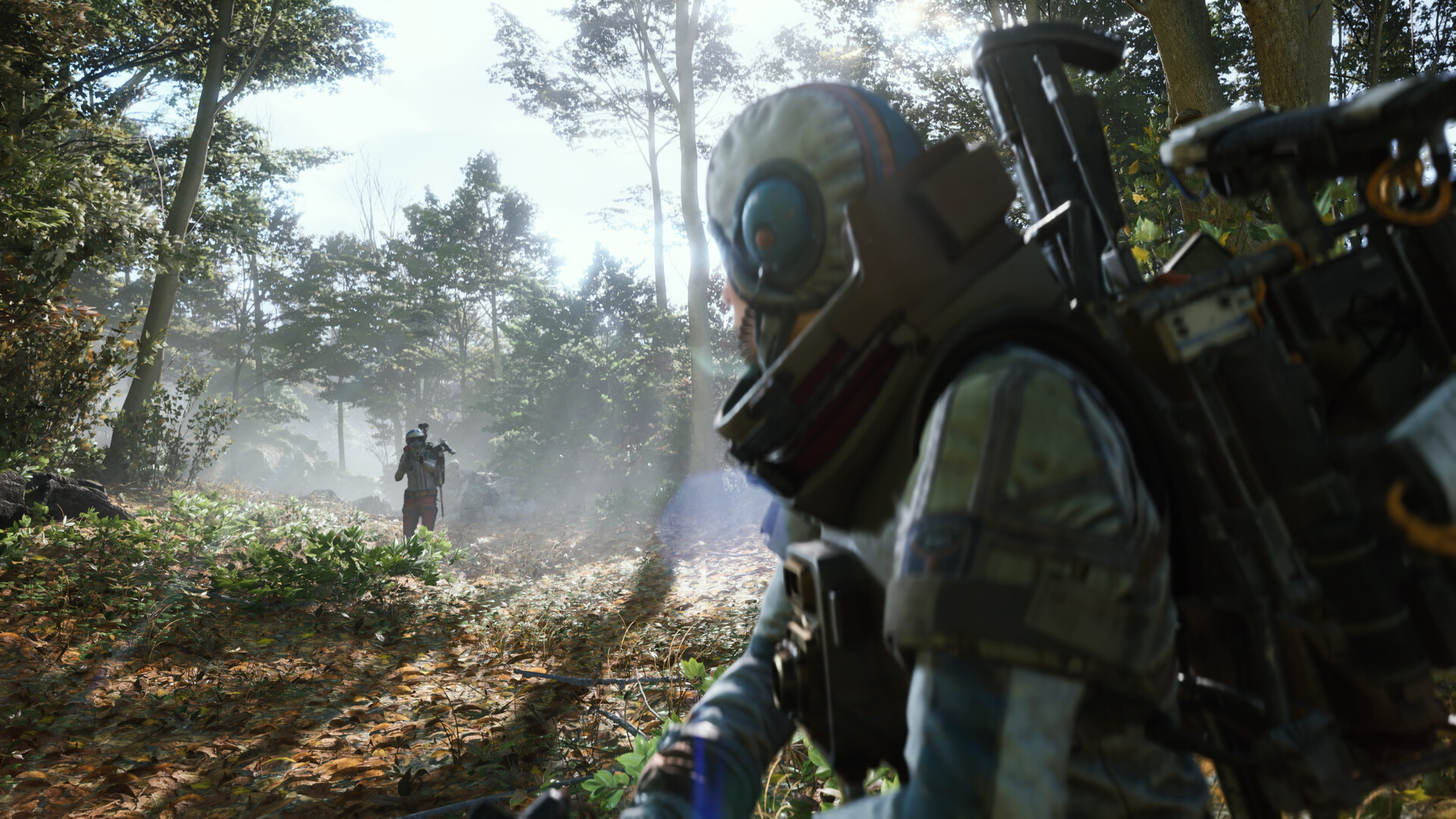
The documentary's most substantial section covers the locomotion system underneath ARC Raiders' enemies. Rather than hand-animating every walk cycle and recovery pose, Embark trained movement using reinforcement learning layered on top of a physics engine — a pipeline the studio has also discussed at GDC and in press interviews since launch, where Machine Learning Research Lead Martin Singh-Blom has described the approach as adapting techniques from real-world robotics research. The result is enemies that can cross broken terrain, stagger when hit, and keep moving — walking, running or even hopping — after losing a limb, instead of switching to a scripted death animation.
It's worth being precise about what that system does and doesn't do, since the "AI-trained enemies" framing has been widely misread since launch: the machine learning in ARC Raiders governs physical movement and recovery, not live combat decision-making. Embark has said the ARCs aren't training on player data in real time — targeting, aggression and tactical behavior are still authored and tuned by designers watching how raiders actually play, including viral clips of players exploiting routes an ARC couldn't follow. Treat any claim that the enemies are "constantly learning" mid-match as unconfirmed; what the documentary and Embark's own statements support is offline training of how the machines move, refined over multiple updates since release.
How Building ARC Machines breaks down the tech
- 1The episode opens on ARC Raiders' earliest enemy prototypes — stiff, blocky engine stand-ins used purely to test encounters — before explaining why Embark decided the final robots needed to move like physically simulated machines instead of animated characters.Early in the episode
- 2Embark explains how it layered reinforcement learning on top of a physics engine so ARC enemies could learn to walk, climb and recover from damage across rough terrain, rather than relying on hand-keyed animation cycles.First third
- 3The documentary draws a clear line between the two systems: machine learning governs how an ARC physically moves, while targeting, aggression and attack decisions are still hand-tuned by designers watching real player behavior.Midpoint
- 4Episode 3 uses the Leaper — one of the game's most-discussed enemies — to show the full pipeline: a trained locomotion base plus a scripted leap-and-shockwave attack designers added after watching players try to outrun it.Second half
- 5The episode closes by connecting the research shown to the ARC types raiders fight today, framing every enemy archetype as a response to a specific movement or encounter-design problem.Closing minutes
04The enemies the episode uses as examples
Building ARC Machines leans on ARC Raiders' existing bestiary to make its case concrete, walking through why certain enemy types exist at all. The documentary uses the game's roster to illustrate different design problems the locomotion system had to solve: a ceiling-clinging ambusher like the Tick needed movement that reads as insect-like rather than humanoid, a heavy, slow-turning unit like the Bastion needed weight and momentum you can actually read and juke around, and an aerial harasser like the Wasp needed flight that looks mechanically stabilized rather than simply floating. The episode frames every ARC type as a response to one of those specific movement or encounter-design problems, rather than a cosmetic skin on a shared skeleton.
The clearest example the documentary gives is the Leaper, the enemy most raiders complain about by name. Episode 3 uses it to show the full pipeline in action: a base locomotion model trained to traverse rough terrain, then layered with a scripted leap-and-shockwave attack that designers tuned after watching how often players tried to outrun it in a straight line. It's a good illustration of Embark's stated split between the two systems — movement is machine-trained, the decision to leap at you is not.
05Noclip's role in telling the story
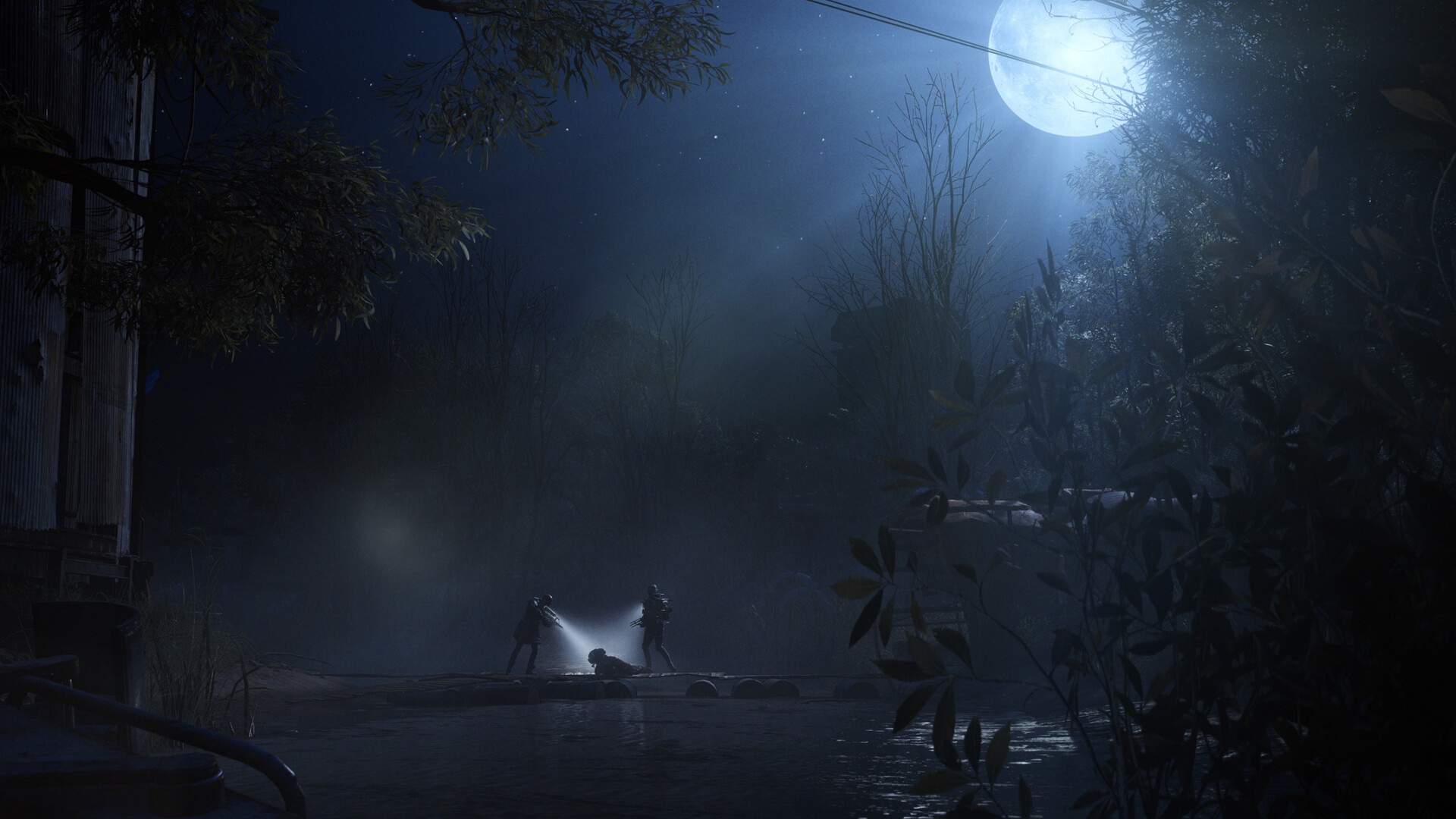
It's worth naming who actually made this documentary, since it isn't an Embark marketing cut. Danny O'Dwyer built his reputation on Noclip, a crowdfunded outlet known for long-form, access-driven documentaries on games like Half-Life: Alyx and Divinity: Original Sin 2, and that pedigree shows in how Episode 3 is cut — it spends more time on failed early attempts at ARC movement than most publisher-produced dev diaries would tolerate. That's also why the series is worth watching even if you've already read every patch note: it's one of the few places Embark has let a specific, named research problem — getting a legged machine to fall over believably — drive twenty-plus minutes of its own marketing.
06Where this fits in ARC Raiders' current state
Episode 3 landed on December 5, 2025, a little over a month after ARC Raiders' October 30 launch, while Embark was already in its post-launch update cadence. The documentary doesn't cover any specific balance patch, so nothing here should be read as current patch notes — check Embark's own update posts on arcraiders.com for what's actually live. What the episode does give you is the design logic behind the machines you're still fighting: once you understand that an ARC's movement is built to physically simulate damage and terrain rather than follow a fixed animation table, encounters that look chaotic start to look like a system responding to what you just did to it.
FAQ
Is The Evolution of ARC Raiders EP3 an official video?
Yes. It's produced for Embark Studios' own YouTube channel and narrated by documentary filmmaker Danny O'Dwyer of Noclip, as the third episode in a three-part series about ARC Raiders' development.
Do ARC enemies really learn from how I personally play?
No, not in real time. Embark has said the machine learning in ARC Raiders trains offline how the machines move and recover physically; combat decisions like targeting and aggression are still designer-authored and tuned from broad player behavior, not live per-match learning.
How long is the documentary episode?
Building ARC Machines runs 22:02 and was uploaded on December 5, 2025, as the finale of the three-episode Evolution of ARC Raiders series.
Where can I watch the other two episodes?
Episode 1, "Finding ARC Raiders," and Episode 2, "The Life of a Raider," are both on Embark Studios' official YouTube channel, @ARCRaidersGame, alongside Episode 3.
Does the episode cover current ARC Raiders balance changes?
No. It's a development history piece, not patch notes — check Embark's own update posts on arcraiders.com for what's live in the current build.
Official resources

Kai edits the video tutorials and tier lists. Rankings are built from hands-on play on the current version and the developer's own balance notes, and every list states the patch it was made for so you know when it is out of date.