Graveyard Keeper 2: Your Best Early-Game Order for Town and Army
Graveyard Keeper 2 throws graveyard automation, town restoration and zombie army combat at you together — here's the smartest early-game order to tackle them.
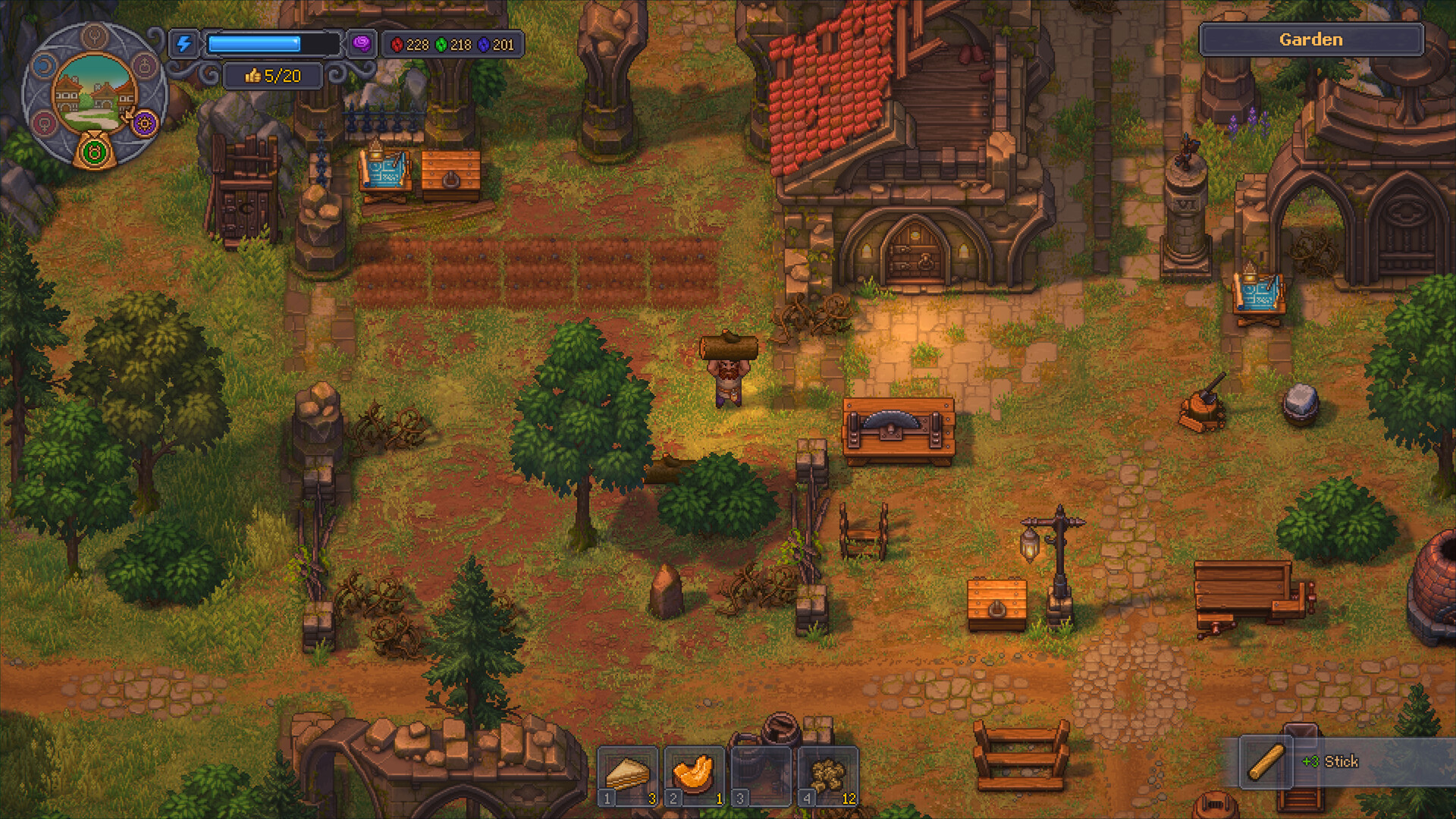
Graveyard Keeper 2 does not ease you in. Within the first couple of hours, Lazy Bear Games' sequel hands you a decaying graveyard, a ruined Town full of undead squatters, and the beginnings of a zombie army you're expected to arm and train — all at once. The original 2018 game let you treat the town as an off-limits punchline; this time the Town is a primary hub you rebuild district by district, which means the three core loops compete for your attention from day one.
None of that is a bad thing — it's the point of the sequel — but it does mean your first in-game week goes a lot smoother if you decide up front what to prioritize instead of chasing whichever quest marker is closest. Here's the order that keeps you from falling behind on all three systems at once.
01What You're Actually Juggling in Graveyard Keeper 2
Strip away the dark comedy and Graveyard Keeper 2 is three management loops layered on top of each other. You're running a medieval graveyard, harvesting flora, fauna and human remains to feed a growing web of crafting and tech trees. You're the Grand Inquisitor leading an undead army, which means building towers and fortifications, training troops, and eventually marching them into battle against the zombie outbreak threatening the realm. And you're restoring The Town itself, reclaiming it from the undead a district at a time, then reopening its housing, shops, cafés and guild halls.
Each loop feeds the others. Bodies you process in the graveyard become the raw materials for Town commerce and army equipment. Districts you clear in the Town open up new vendors and quest-givers who unlock graveyard and army upgrades. It's genuinely interconnected, which is exactly why picking a lane early matters — spreading yourself thin across all three from hour one is the fastest way to stall out.
It also means there's no single "correct" build the way there might be in a more linear RPG. What follows is an order of operations, not a checklist you complete once and forget — you'll keep cycling back through all three loops for the rest of the game. The goal early on is just to stop them from actively working against each other.
02Get the Graveyard's Core Loop Running First
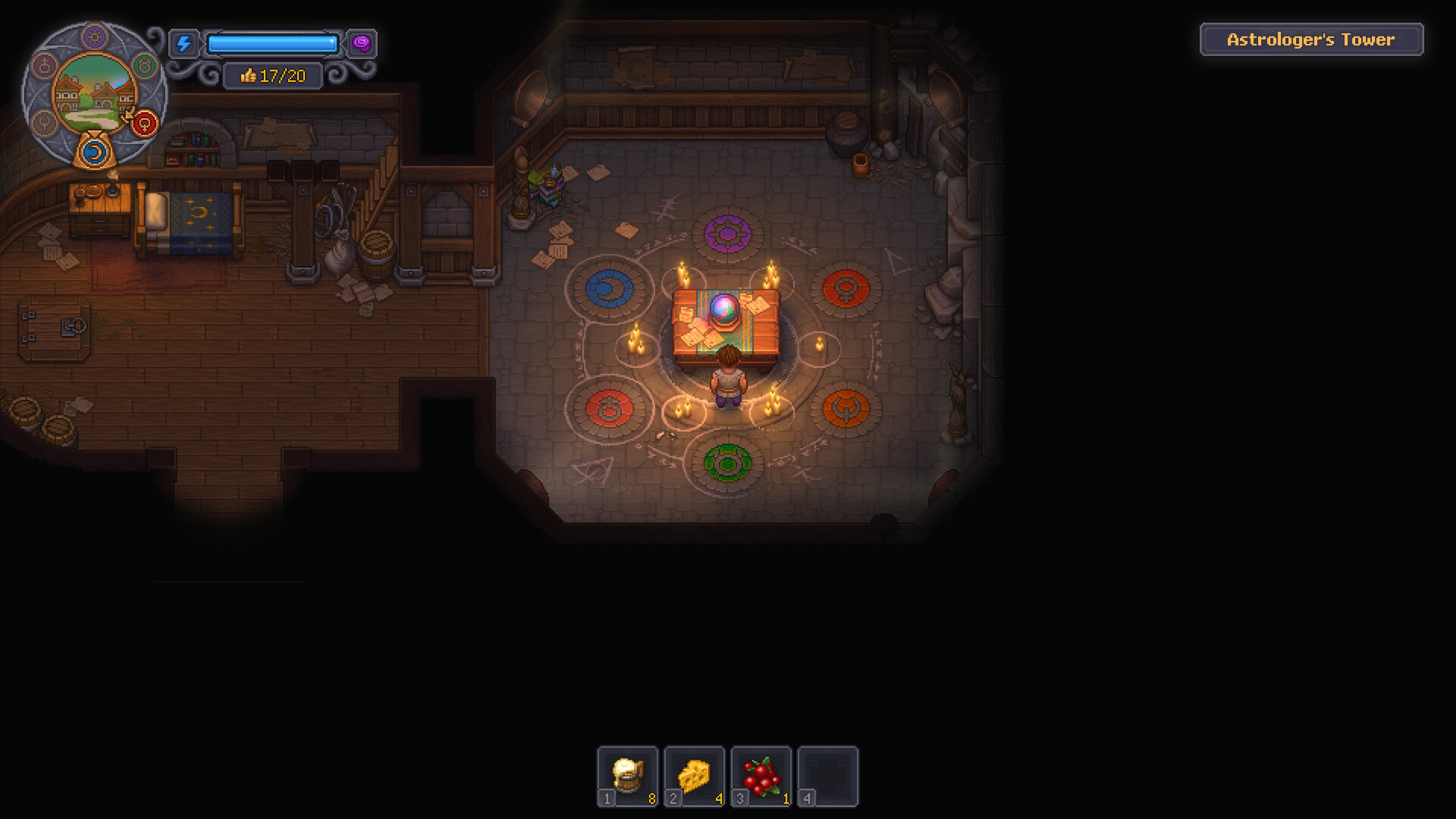
Before you touch Town restoration or army infrastructure, spend your first stretch of playtime on the graveyard itself. Every body that arrives is a decision: turn it into fertilizer, harvest it for meat, hand it to science, or give it a proper burial. That choice isn't cosmetic — it's the entry point into the tech trees that unlock better tools, better automation and better gear for everything else you'll do later, so getting comfortable with it early pays off across the whole game.
Resist the urge to bury or process every corpse the same way out of habit. Split your early bodies across fertilizer and science in particular — fertilizer keeps your crop and herb production moving (which the graveyard's alchemy and cooking chains lean on constantly), while science is what actually opens new research and automation options. Burial has its place for reputation and story reasons, but it doesn't feed your economy the way the other two do.
03Reclaim the Town Before You Chase Every Side Quest
Once your graveyard has a reliable rhythm — bodies coming in, resources going out, no backlog piling up — turn to the Town. Restoration here works district by district: you clear out the undead occupying an area, then rebuild it, which brings housing, shops and guild halls back online. Each reclaimed district is what actually opens new trade options and questlines, so it's worth treating as a gate you push through deliberately rather than a background objective you nibble at between graveyard chores.
The trap to avoid is over-committing to every side quest a newly reopened shop or guild throws at you before you've reclaimed the next district. Early Town quests are mostly there to teach you systems and hand you starting resources; once you've learned what a guild hall or café actually does for your economy, it's usually more efficient to push toward reclaiming the next district than to fully exhaust every quest chain in the one you're standing in.
04Automate Production Before You Expand the Graveyard
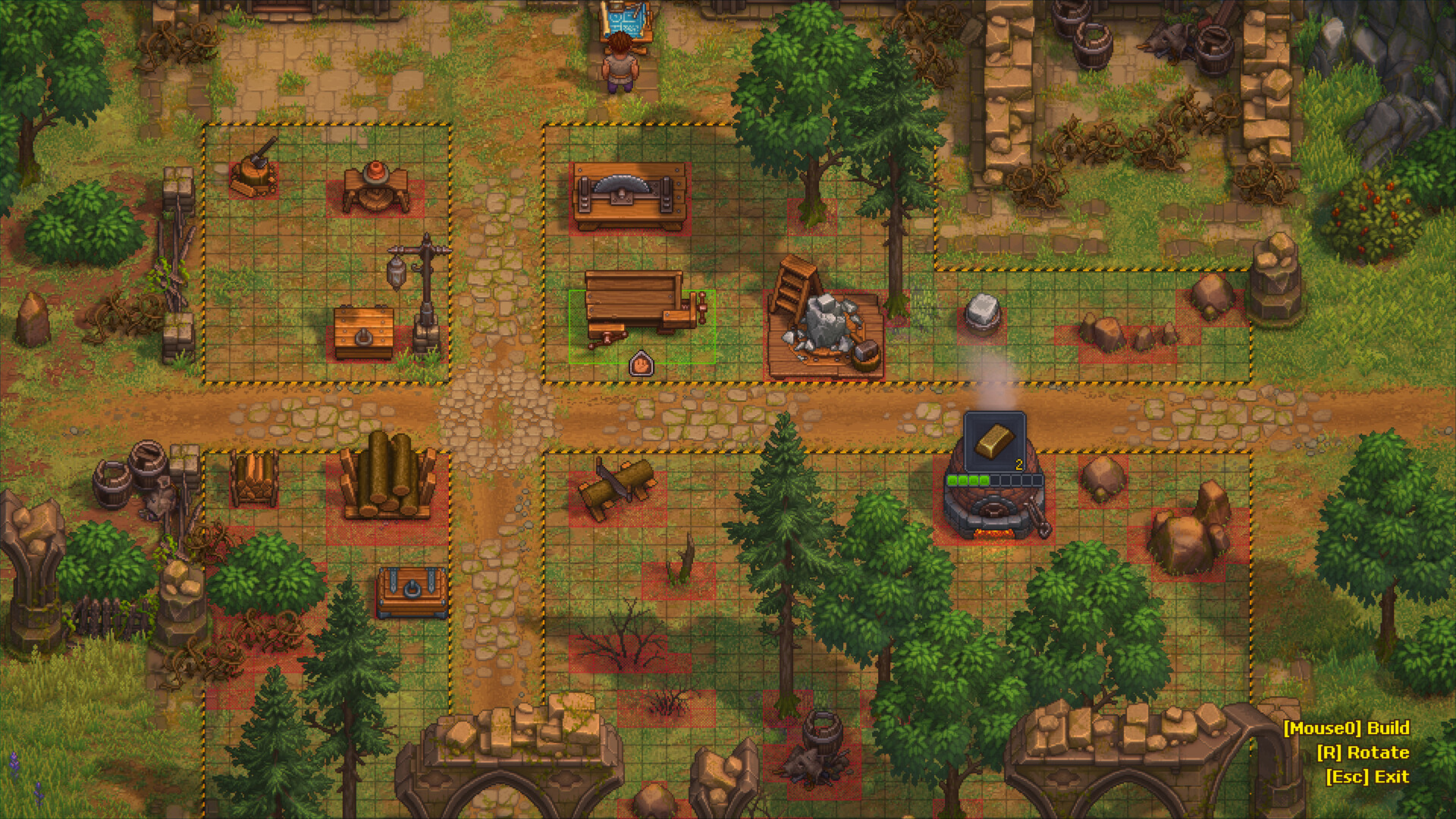
Graveyard Keeper 2's biggest quality-of-life change over the original is conveyor-belt automation. Instead of manually walking resources between stations, you can route harvested flora, fauna and remains through machinery that handles processing on its own. That's a genuine shift from the first game's constant micromanagement, and it's worth prioritizing over simply buying more graveyard plots.
Set up at least one automated production chain — even a basic one — before you sink resources into expanding your graveyard's footprint. A bigger graveyard with no automation just means more manual hauling, which eats the time you need for Town restoration and army prep. Get the belts moving first, then scale up.
05Hold Off on the Zombie Army Until the Basics Are Solid
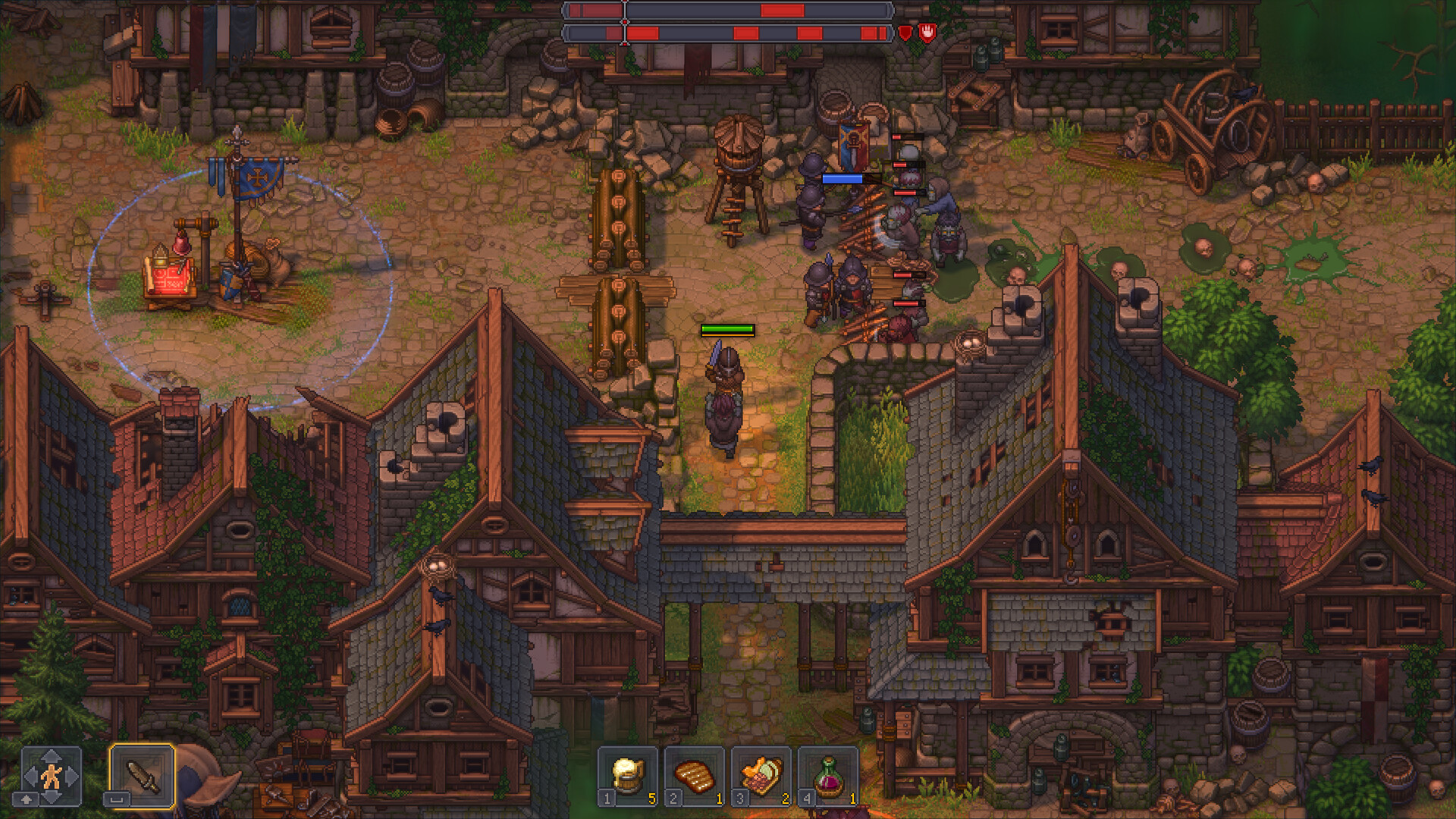
It's tempting to start building towers and fortifications the moment the game introduces the zombie army system, especially since combat is one of the sequel's headline additions. Don't rush it. Towers, walls and troop training all draw on the same crafted materials your graveyard and Town systems produce, and without automation running and at least a couple of Town districts cleared, you'll be crafting army gear in fits and starts instead of a steady supply.
A reasonable rule of thumb: don't commit to army infrastructure until your graveyard production is automated and you've cleared enough of the Town to have a reliable trade loop going. Once those two are in place, the army stops being a resource drain and starts being something you can actually sustain through repeated raids.
Early-Game Priority Order
- 1Split incoming bodies between fertilizer and science instead of defaulting to burial, so you're feeding both your crop chains and your tech tree from the start.Hour 1
- 2Push through the undead occupying the nearest district rather than exploring broadly — reclaiming it is what unlocks new shops, housing and guild halls.Hour 2-3
- 3Run just enough of the newly reopened shop and guild questlines to learn what each building does for your economy, then move on.Hour 3-4
- 4Route at least one resource through conveyor-belt machinery before expanding your graveyard's footprint any further.Hour 4-6
- 5With basic automation handling production, push into the next district for its trade options and quest unlocks.Hour 6-8
- 6Only now commit crafted materials to army infrastructure, once your graveyard and Town loops are both producing steadily.Hour 8+
06What Actually Changed Since the Original
If you played the 2018 original, know that the sequel isn't just a reskin with a bigger to-do list. The most obvious shift is the Town itself: in the first Graveyard Keeper, wandering into town was mostly a running joke that ended with an instant game-over explosion. Graveyard Keeper 2 flips that entirely, making the Town a proper gameplay hub you're meant to live in, restore and profit from, complete with fully voiced cutscenes carrying the story beats instead of the original's text boxes.
The zombie army layer is new territory too — the first game never asked you to build fortifications or train troops, and it changes the shape of a normal session. Expect to split your time between management-sim busywork and short, deliberate combat pushes once you've cleared enough of the Town to draw the undead's attention. Early sales reports put the game well past 400,000 copies sold in its first couple of days on the market, so if the systems feel overwhelming at first, you're far from the only one adjusting to a much bigger scope than the original ever attempted.
07Your Practical Early-Game Order
Put together, the sequence that avoids the early-hours overwhelm players have flagged looks like this: stabilize the graveyard's body-processing loop first, reclaim your first one or two Town districts for their trade and quest unlocks, get a basic automated production chain running before expanding further, and only then start investing seriously in towers, fortifications and troop training for the zombie army. If a new system genuinely doesn't have a clear next step, that's usually the game's tech tree telling you it isn't your priority yet — respond by developing what you already have, rather than opening yet another parallel project.
tinyBuild and Lazy Bear Games have leaned hard into the game as a sequel to the cult-favorite original, and the systems reward the same instinct that worked there: get one loop self-sustaining before you fully commit to the next, rather than treating the graveyard, the Town and the army as three separate games running at once.
Graveyard Keeper 2 releases tomorrow, here's the Global Release Times map👇🏼 We expect it to be one of our biggest launches of the year. Consider supporting the devs by wishlisting or preordering the thing
— tinyBuild (@tinyBuild), September 21, 2026 on X
FAQ
Is Graveyard Keeper 2 a direct sequel or a standalone game?
It's a direct sequel to the 2018 original from the same developer, Lazy Bear Games, and publisher tinyBuild, continuing the graveyard-management premise with a much bigger scope covering Town restoration and zombie army combat.
Do I need to have played the original Graveyard Keeper first?
No. The sequel tells its own story, and its Town restoration and zombie army mechanics are both new additions the original never had.
What platforms is Graveyard Keeper 2 available on?
It launched September 22, 2026 on PC, PlayStation 5, Xbox Series X|S, Nintendo Switch and Nintendo Switch 2.
Should I prioritize the graveyard, the Town, or the zombie army first?
Stabilize the graveyard's body-processing loop first, reclaim a Town district or two next, then automate production — treat the zombie army as the last of the three systems to invest in seriously.
Is there a demo available?
Yes, tinyBuild released a free demo ahead of launch, and progress from it carries over into the full game.
Official resources

Jonas runs the guides desk at Tutorial.Games. He replays every route, build and boss strategy on the current patch before it goes up, and re-checks it when the developer ships a balance update. Soulslikes, co-op action games and anything with a build planner.