Silent Hill: Townfall Walkthrough: Part 1 Arrival Guide
Silent Hill: Townfall's Part 1: Arrival throws the CRTV, stealth, and Otherworld shifts at you fast — here's the walkthrough and settings that help.
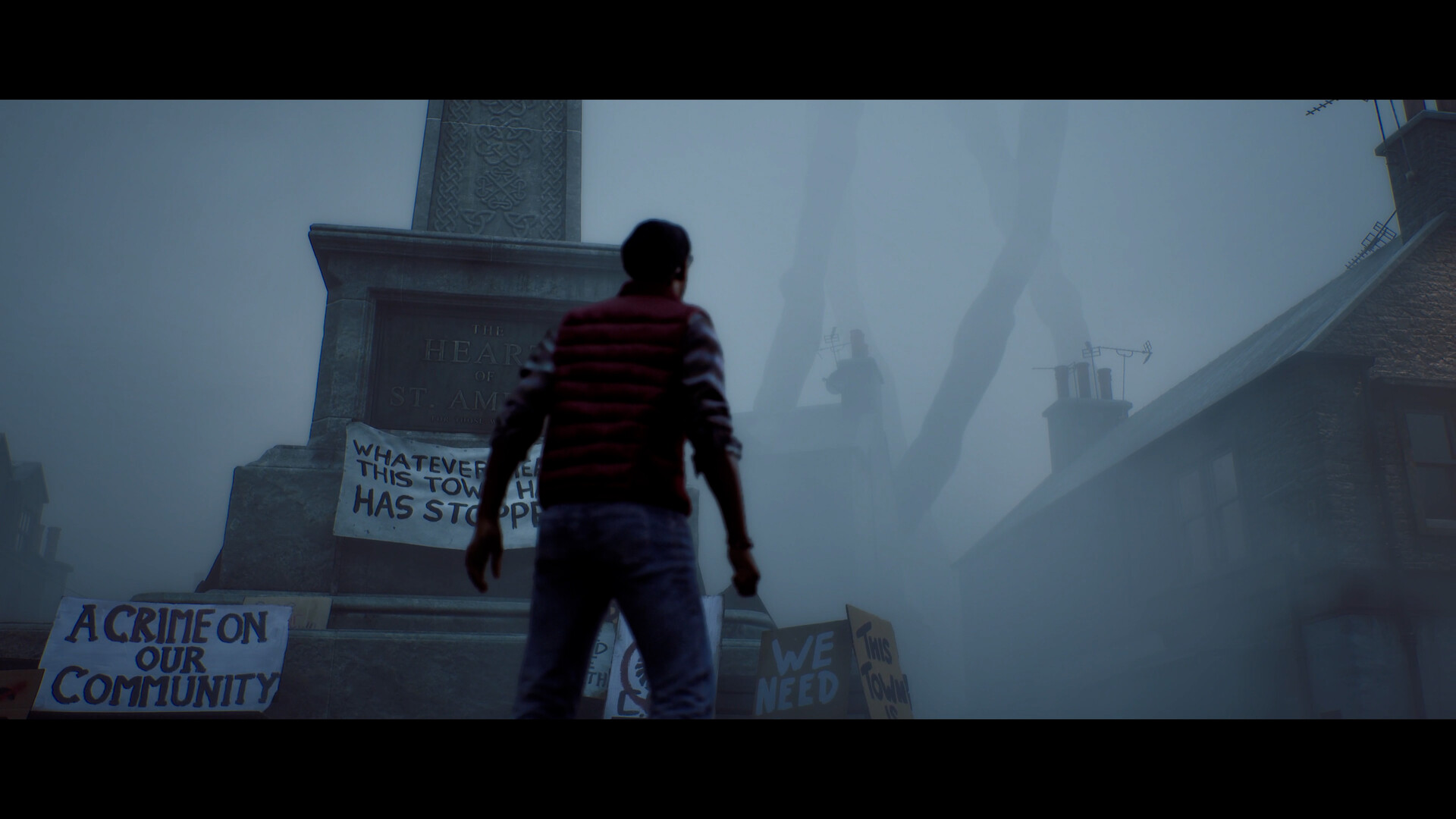
Silent Hill: Townfall drops you on a fogbound Scottish island with no memory of how you got there, and it does not slow down to explain its systems before the first threat shows up. If you are heading into Part 1: Arrival tonight, here is what actually matters on the way through St. Amelia, how the CRTV device and stealth loop work, which settings are worth changing before you commit to a full playthrough, and how your choices here start shaping which of the game's five endings you see first.
01What's New in Silent Hill's First Fully First-Person Entry
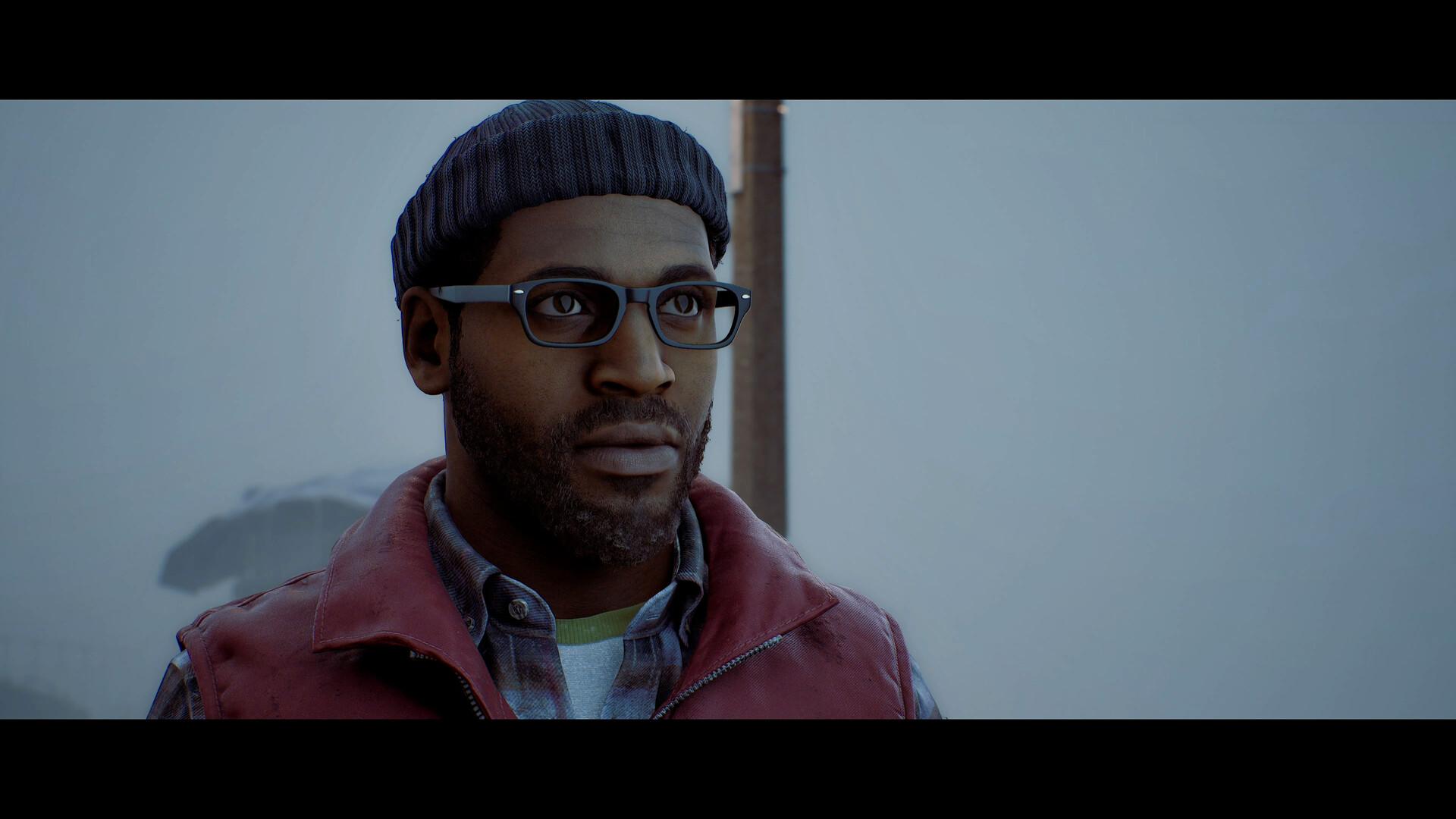
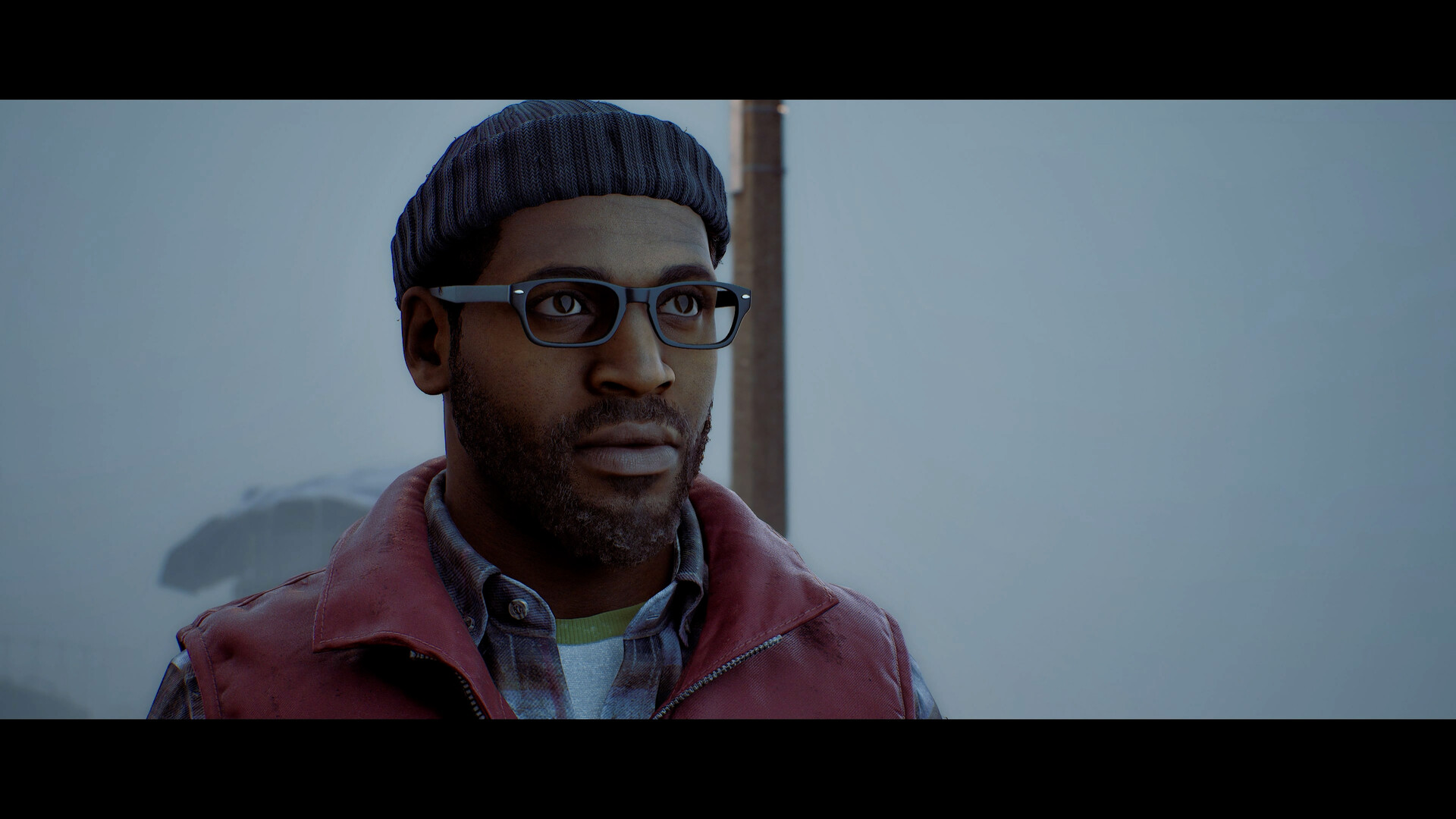
Developed by Screen Burn and published by Konami and Annapurna Interactive, Townfall is the series' first mainline game built entirely around a first-person perspective. You play as Simon Ordell, who wakes up repeatedly on the shore of St. Amelia with no memory of arriving there. Two other characters, nurse Zoe Ellis and Richard Shaw, reach Simon through a handheld device called the CRTV and pull him into a mystery tied to a fatal oil rig disaster that killed 95 workers — a disaster Simon appears to be the sole survivor of.
The shift to first person changes how every system in the game reads. You are not managing a party or watching Simon from behind; you are the one holding the CRTV, deciding whether to peek around a doorway, and feeling the game's audio cues directly. That makes the next two systems worth learning before you touch Part 1 at all, because Arrival is where the game teaches them and then stops holding your hand.

02The CRTV Device and How Stealth Actually Works
The CRTV is a handheld receiver that Simon uses to pick up signals from Zoe and Richard, and it doubles as your only tool for sensing nearby threats. Tune it to a threat's frequency and it gives you a rough read on where danger is without forcing a direct look, which matters because turning to stare down a hallway is often the thing that gets you noticed in the first place.
Stealth itself runs on a simple peek-and-crouch loop: stay low, lean out to check a room or a street, then either wait the threat out or commit to moving once it turns away. Townfall does not give you a sprint that reliably outruns everything, so treat every open street as something to read with the CRTV first, not something to walk straight down. The device also doubles as a light source and a way to tune into Zoe and Richard's calls, so get used to opening it constantly rather than saving it for emergencies.
03Combat Basics: Blocking, Swinging, and When to Just Run
Simon fights with whatever he finds — planks, pipes, anything with weight — and the combat is built around two inputs: block to absorb a hit and swing to punish an opening. The catch is that blocking does not work against grabs, so an enemy that lunges rather than swings has to be sidestepped or avoided outright, not blocked. Learning which of Arrival's early threats grab and which swing is worth more than any amount of extra planks.
Early weapons degrade with use, so winning a fight you could have skipped often costs you resources you will want later. If a threat is between you and a dead-end room with nothing confirmed inside, the better play is almost always to back off and route around it rather than clear it out. Townfall is generous with the CRTV's read on danger specifically so you can make that call before committing, not after.
04Part 1: Arrival Walkthrough — The Route That Doesn't Waste Your Time
Arrival opens St. Amelia up early, well before the story tells you which buildings actually matter, and that is the biggest trap in the chapter. Players who try to clear the town building by building end up doubling back constantly once a later clue points them somewhere they already half-explored. The steadier approach is to follow each clue to its actual destination first, and only backtrack for anything the game has explicitly flagged as worth returning to.
Part 1: Arrival Walkthrough
- 1Simon starts on the shore with no memory of arriving. Follow the opening prompts into St. Amelia and pick up the CRTV as soon as it's offered — every mechanic after this point depends on it.0-10 min
- 2Use the CRTV to read a threat's frequency before rounding a corner, then peek, crouch, and wait for it to move on instead of engaging.10-20 min
- 3Their messages point you toward the next concrete destination. Let the story's own breadcrumbs decide where you go instead of clearing every building you pass.20-40 min
- 4Block absorbs standard attacks but does nothing against a grab. Identify which early threats lunge and avoid them outright rather than trading hits.40-55 min
- 5The first Otherworld transition changes what's walkable. Re-scan with the CRTV instead of continuing on the route you'd planned in the normal town.55-70 min
- 6Once a clue closes out, backtrack for anything Townfall explicitly marked as unfinished — not every door you passed earlier in the chapter.70-90 min
The CRTV's signal-tuning puzzle shows up early and repeats through the chapter in different forms, so it is worth getting comfortable with it here rather than fumbling it later when a threat is closer. Watch for the first Otherworld shift too — St. Amelia's transition into its distorted state changes what is walkable and what is not, and pushing through it blind is how most first deaths in Part 1 happen. Treat the shift as a cue to slow down and re-scan with the CRTV rather than keep moving on momentum from the normal town.
05Difficulty and Puzzle Difficulty: What Each Setting Actually Changes
Townfall splits its options into two separate sliders instead of one difficulty setting. The main Difficulty option (Story Mode, Normal, or Nightmare) controls enemy count, health, damage, and how tight your resources feel. A second, independent Puzzle Difficulty option controls how much help you get finding clues — Normal expects you to work out the deduction yourself, while Hinted highlights relevant items and marks important clues in red.
Both sliders can be changed at any time from the settings menu without reloading a save, so there is no reason to commit to a punishing combination on your first run through Part 1. If you are here mainly for the story and the atmosphere, drop combat difficulty to Story Mode and leave Puzzle Difficulty on Normal so the deduction still feels earned. If you want the full survival-horror tension, Nightmare plus Normal puzzles is the closest thing Townfall has to its classic difficulty curve; check the Steam store page for the latest patch notes before you commit, since Screen Burn has already adjusted balance at least once since launch.
06Accessibility Options Worth Checking Beyond the Presets
Underneath the three named presets, Townfall ships a genuinely deep accessibility layer that lets you tune enemy aggression, item durability, puzzle logic, and how much noise your own movement makes, independently of each other. That matters for Part 1 specifically because the chapter front-loads stealth and resource pressure before you have learned the CRTV well enough to use it efficiently — turning down enemy aggression or noise sensitivity for your first hour is a reasonable way to learn the systems without eating a string of early deaths that have nothing to do with the story.
None of these sliders touch puzzle content. Codes, combinations, and clue logic stay identical no matter what you pick here or later in New Game Plus, so there is no downside to leaning on the accessibility tuning while you get comfortable with Arrival's pacing.
07Collectibles, Multiple Endings, and What to Leave for New Game Plus
Townfall tracks five endings in total, three of which are reachable on a first playthrough and two of which require New Game Plus. Which ending you land on is shaped by how many of the game's collectibles — documents, phone numbers, strange postcards, CRTV signals, and resource containers scattered through St. Amelia — you pick up relative to how many enemies you fight rather than avoid. That is a meaningful break from the more binary ending choices in a game like Silent Hill f, and it means a stealth-first Part 1 run is already nudging your first ending in a specific direction before Zoe or Richard have even fully entered the story.
You do not need to chase every collectible in Arrival to see this play out. Puzzle solutions and item locations stay identical across every difficulty and even into New Game Plus, so nothing you find in Part 1 gets invalidated later — it just means the postcards and signals you skip now are still sitting there if you come back on a second run built around a different ending. If your first goal is simply finishing Part 1 without dying to something avoidable, prioritize learning the CRTV and the peek-and-crouch loop over hunting every container along the way.
FAQ
What difficulty should I pick for my first Silent Hill: Townfall playthrough?
Story Mode for combat if you're here for the atmosphere, or Nightmare if you want the classic survival-horror resource pressure. Either way, leave Puzzle Difficulty on Normal so the deduction still feels earned.
Can I change the difficulty after starting Part 1?
Yes. Both the main Difficulty setting and the separate Puzzle Difficulty slider can be changed at any time from the settings menu without reloading a save.
Does the difficulty I choose change puzzle solutions?
No. Codes, combinations, and puzzle logic stay identical across every difficulty setting and even into New Game Plus.
How many endings does Silent Hill: Townfall have?
Five in total. Three are reachable on a first playthrough, and two require completing New Game Plus.
Is the CRTV the only way to detect enemies in Arrival?
It's your main tool. The CRTV reads nearby threat frequencies so you can decide whether to peek, wait, or reroute before an enemy notices you.
Official resources

Jonas runs the guides desk at Tutorial.Games. He replays every route, build and boss strategy on the current patch before it goes up, and re-checks it when the developer ships a balance update. Soulslikes, co-op action games and anything with a build planner.