Valorant Summit Map Dev Diaries: Every Droppable Wall Explained
Riot's official Dev Diaries video breaks down Valorant's Summit map — here's every droppable wall, key callout and traversal trick worth learning.
Riot Games shipped Summit, Valorant's 13th standard map, back in Season 2026 Act 4, but the Summit Map Mogs // Dev Diaries video on the official VALORANT YouTube channel is still the clearest explanation of why the map plays the way it does. The dev team walks through the design of Summit's three droppable walls, the reasoning behind its curved training-hall architecture, and how a Radiant academy in the mountains of China became one of the more disruptive additions to the map pool. If you have not sat down with the full video yet, here is everything it covers and how to turn that knowledge into better rounds.
01What the Dev Diaries Video Actually Shows
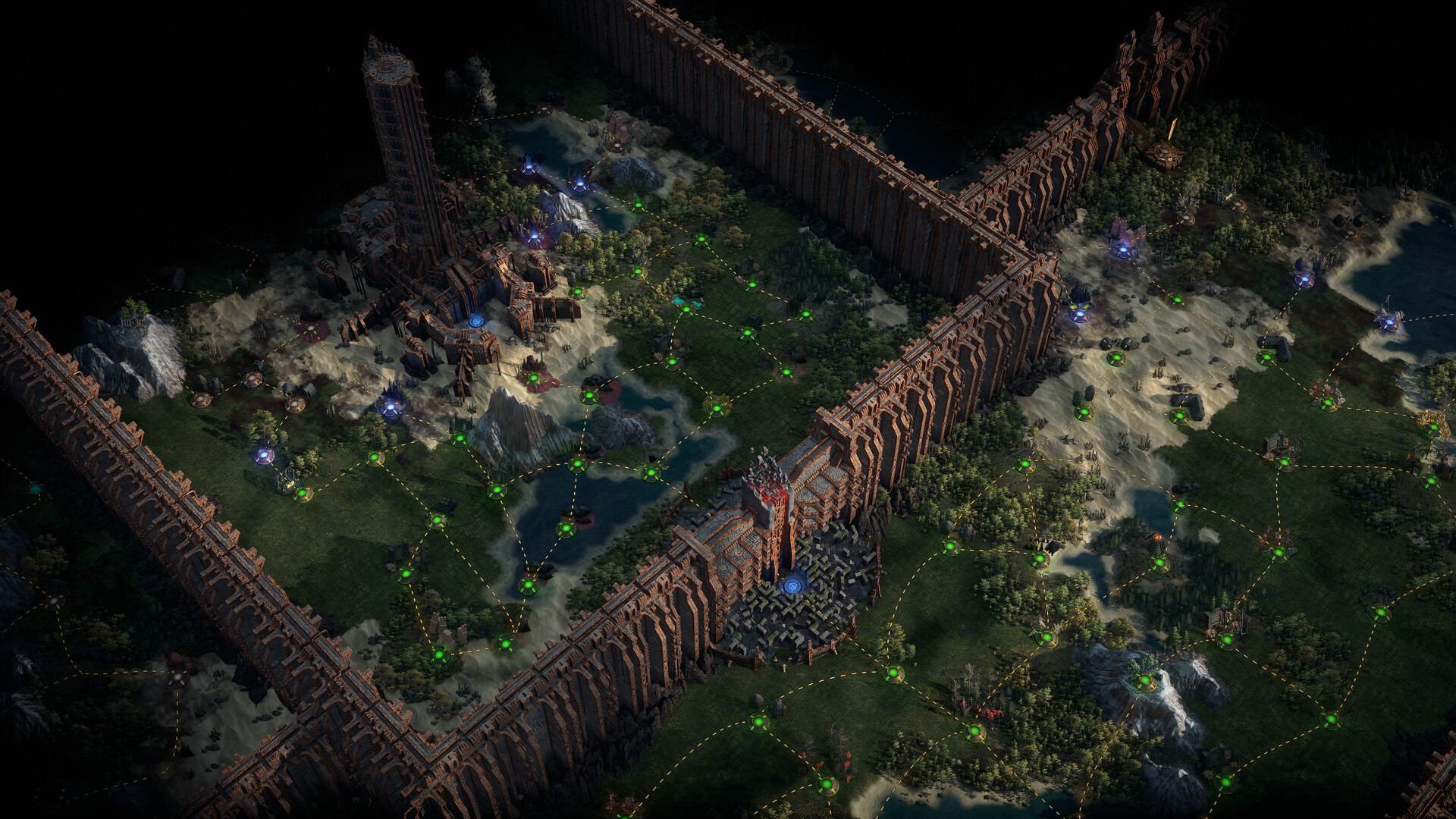
The video is a walkthrough with Summit's dev and art team rather than a cinematic trailer. They take the camera through each bomb site, point out the interactable doors, and explain how China's temple and mountain-monastery architecture shaped the map's geometry. The centerpiece of the conversation is the three droppable walls — one per bomb site and one in mid — and why the team wanted a map feature that could not be undone once triggered, unlike the reopenable door on Lotus or the one-way teleporter on Bind.
Summit itself launched on June 24, 2026 as part of patch v13.00, becoming the thirteenth standard 5v5 Spike map and going straight into the Competitive queue. Riot halved RR losses on Summit for the first two weeks after launch specifically to encourage players to learn it under real conditions instead of avoiding it in ranked.

02Every Droppable Wall and How It Actually Works
Summit's headline mechanic is its trio of destructible walls, and the Dev Diaries video spends most of its runtime on them. Each wall is tied to a shootable switch near the wall itself, according to the official VALORANT Wiki:
- A Site wall — sits between A Art and A Garden, with its switch facing the attacking side.
- Mid wall — sits between Mid Window and Mid Bottom, with its switch facing sideways in Mid Bottom.
- B Site wall — sits between B Tower and B Site, with its switch facing the attacking side.
Every switch has 125 HP and shows a color-coded health bar that shifts from blue to red as it takes damage. A few rifle shots will bring one down, and a single hit from an ability like Sova's Shock Dart or Raze's Showstopper destroys it instantly. The important part, which the video is explicit about: once a wall drops, it is gone for the rest of the round. There is no closing it again, no waiting for a timer — every team that pops a switch is making a permanent decision about which sightlines and rotations exist for the next two minutes.
03Learn Summit's Callouts Before You Queue
The video doesn't spell out every callout by name, but pairing it with the official map layout makes learning them far faster than figuring them out mid-match. Around the A site you'll hear A Main, A Art, A Garden, A Hall, A Link, A Lobby and A Cave. B site callouts follow the same pattern: B Main, B Tower, B Gym, B Link, B Lobby, B Drop and B Trophy. Mid is smaller but still dense: Mid Window, Mid Bottom, Mid Tiles, Mid Top, Mid Bend and Mid Fountain.
Two traversal options are worth knowing on top of the callouts: a rope ascender connects B Gym up to B Tower, and a silent drop zone lets you fall from B Tower down to B Drop without alerting anyone below. Both show up in the dev walkthrough as examples of Summit rewarding vertical thinking instead of pure horizontal rotations.
04Why the Permanent Walls Change How You Should Play
Because a dropped wall never comes back, treat every switch as a round-defining call rather than something to shoot on reflex. Popping the Mid wall early can block a fast rotate for both teams for the rest of the round, which is very different from Lotus or Bind's reversible options. Attackers who break the A or B wall on entry give up a sightline forever, but they also permanently remove an angle defenders could have held from. The dev team frames this as intentional: Summit is built so the map itself keeps changing shape as a round goes on, and no two rounds play out with an identical layout once a switch has gone down.
That also means Summit rewards agents who can force information before committing to a wall. Recon and flash utility that reveals whether defenders are stacked behind a switch is far more valuable here than on a map where every door reopens next round.
Learn Summit in Six Steps
- 1Locate the three switches before your first round on Summit: one between A Art and A Garden, one between Mid Window and Mid Bottom, and one between B Tower and B Site.2 min
- 2Every switch takes a handful of rifle shots or a single strong ability hit (Sova's Shock Dart, Raze's Showstopper) to destroy — know the range you need before you commit to breaking one.2 min
- 3Drill A Main, A Art, A Garden, A Hall, A Link, A Lobby and A Cave on one side, B Main, B Tower, B Gym, B Link, B Lobby, B Drop and B Trophy on the other, plus Mid Window, Mid Bottom, Mid Tiles, Mid Top, Mid Bend and Mid Fountain.5 min
- 4Practice the rope ascender from B Gym to B Tower and the silent drop from B Tower to B Drop — both let you reposition without giving away your location the way a normal rotate would.3 min
- 5Ask before shooting a switch: a dropped wall stays down for the rest of the round, so clear it with your team instead of popping it on sight.1 min
- 6The design reasoning behind each wall makes a lot more sense once you've actually played around one — go back to the video with that context.8 min
05Where Summit Fits in Valorant's Current Season
Summit arrived alongside a broader wave of Season 2026 content, and Riot's own patch notes for v13.00 cover the rest of that drop — new competitive systems, balance changes and everything else that shipped the same week. If you already play Summit in Competitive and want a refresher on the run of new modes, weapons and systems from the following patch, our Patch 13.06 breakdown covers what changed after Summit had already settled into the rotation.
The Dev Diaries format is also worth following for future maps. Riot has used it for previous releases to explain design intent after the fact, which tends to be more useful once you have already played a map a few times than a reveal trailer built to generate hype before launch.
FAQ
When did the Summit map release in Valorant?
Summit went live on June 24, 2026 as part of patch v13.00, Season 2026 Act 4, becoming Valorant's thirteenth standard 5v5 map.
What makes Summit's droppable walls different from Lotus or Bind?
Once a Summit wall switch is destroyed, that wall stays down for the rest of the round — there's no reopening it like Lotus's doors or reusing it like Bind's teleporters.
How much health does a wall switch have?
125 HP. A handful of rifle shots will destroy one, and a single hit from an ability like Sova's Shock Dart or Raze's Showstopper takes it out instantly.
Where can I watch the official Dev Diaries breakdown?
It's on the official VALORANT YouTube channel as "Summit Map Mogs // Dev Diaries" — the video embedded in this article.
Is Summit in the ranked map pool?
Yes. Summit went straight into the Competitive queue at launch, with Riot halving RR losses on the map for the first two weeks to help players learn it.
Official resources

Kai edits the video tutorials and tier lists. Rankings are built from hands-on play on the current version and the developer's own balance notes, and every list states the patch it was made for so you know when it is out of date.