Diablo IV Season 15: How to Beat Diablo, Baal and Mephisto
Diablo IV Season 15 rebuilds three Prime Evil showdowns as Waking Nightmare capstones — here's how to find and beat Diablo, Baal and Mephisto.
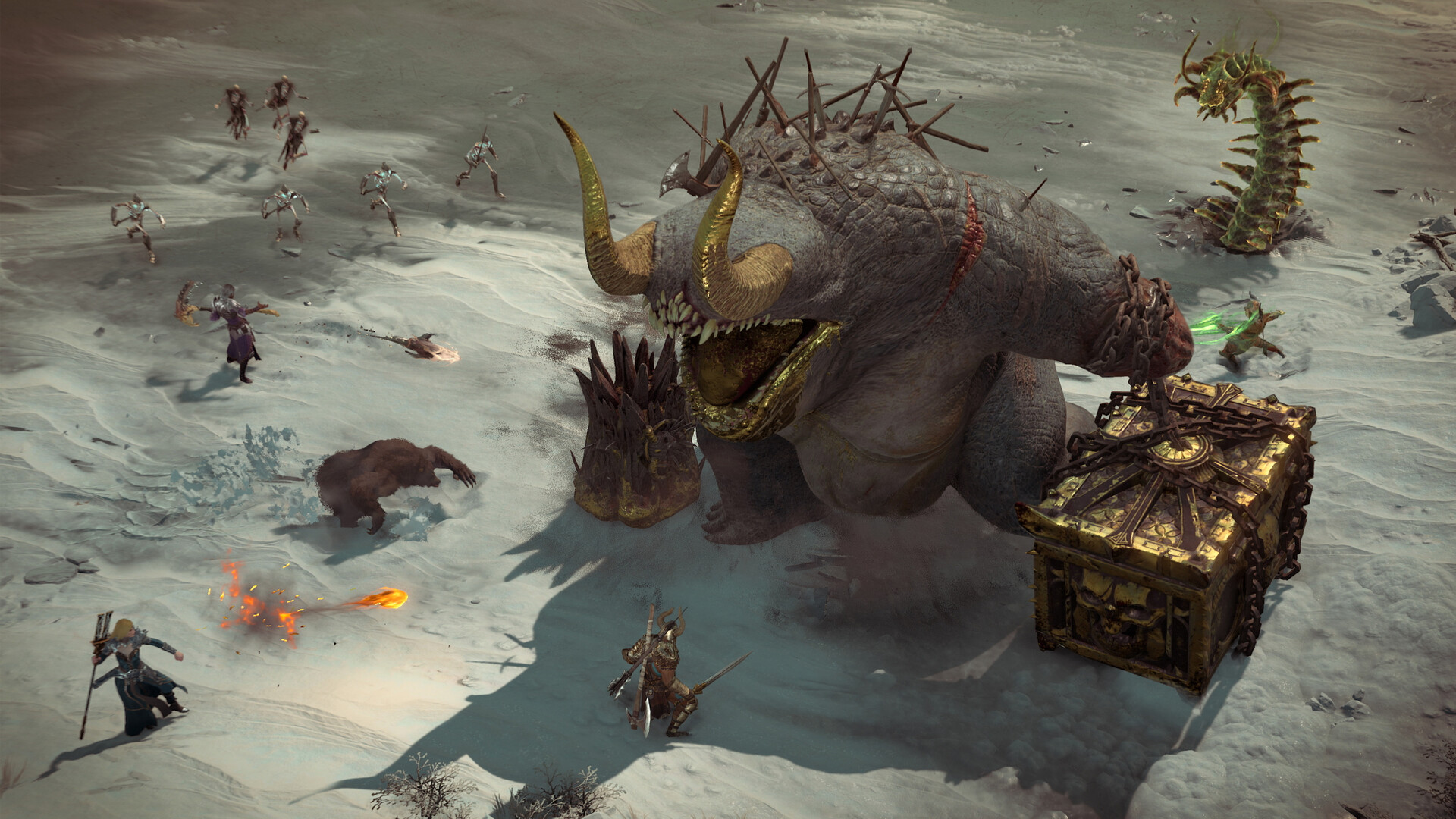
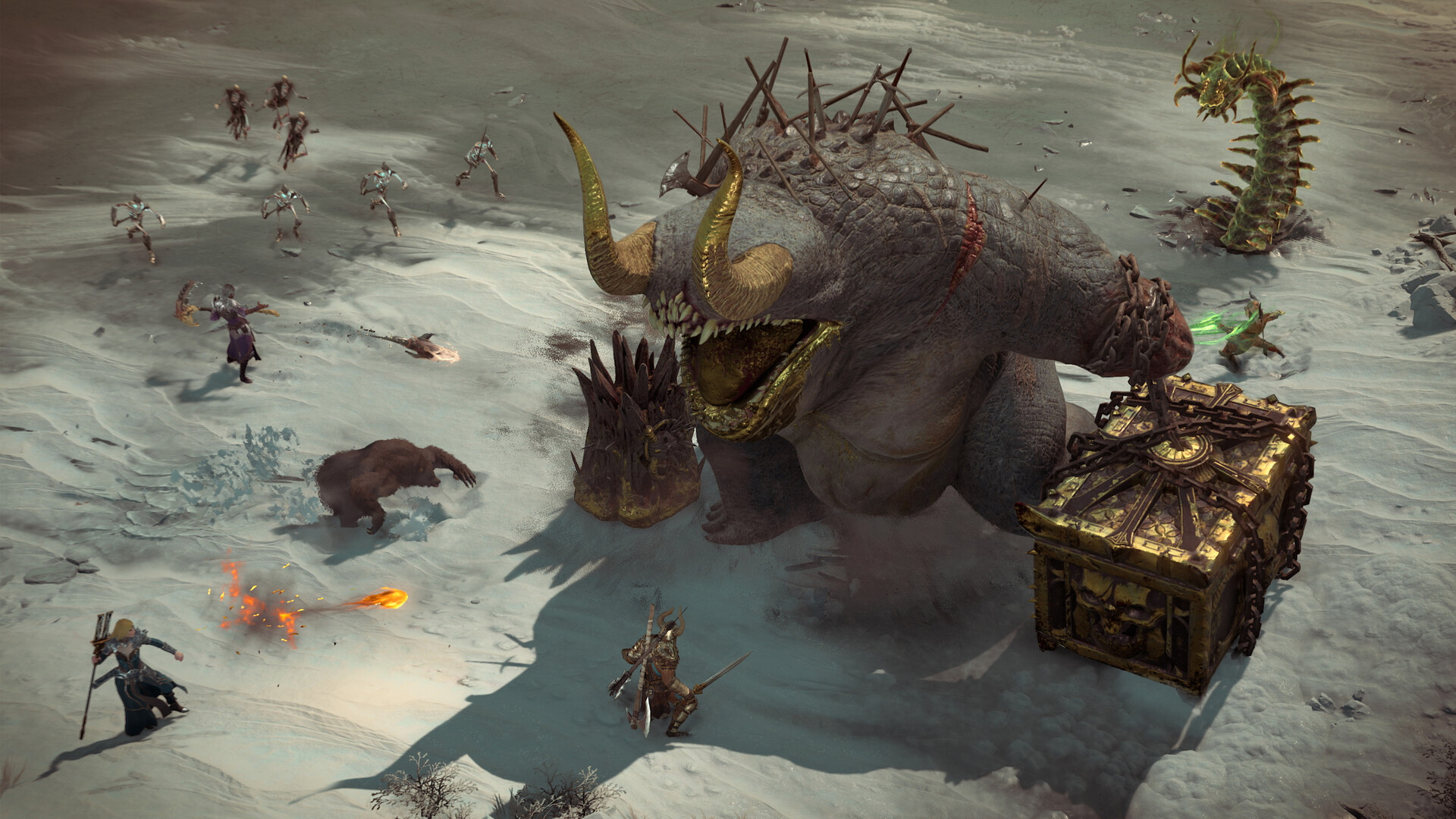
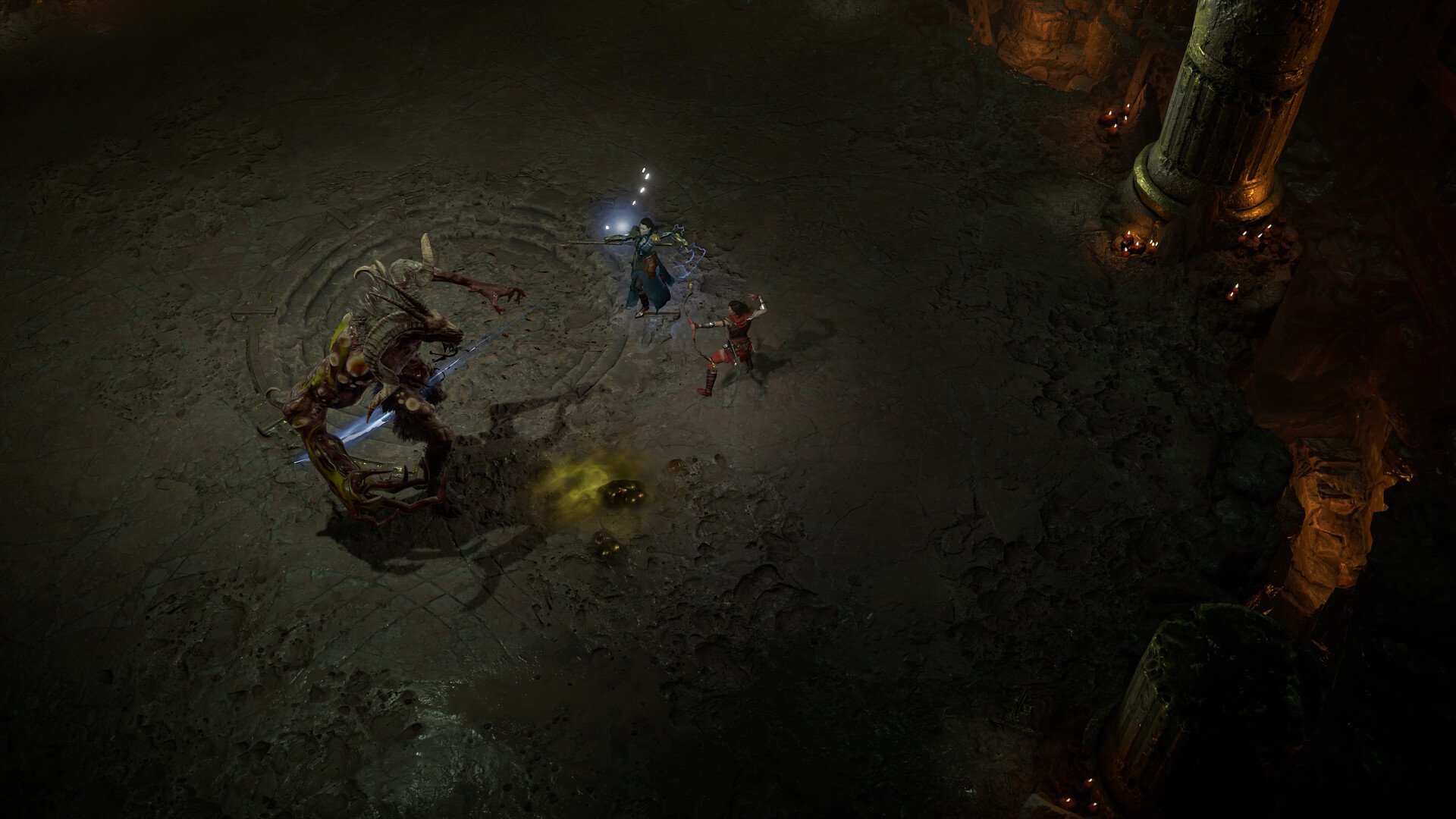
Diablo IV's Season 15, Season of Hell's Legacy, went live on September 15 with patch 3.2.1 (Build #73552) and put the series' three Prime Evils back in your face for the franchise's 30th anniversary. Instead of another single new villain, Blizzard rebuilt three historic showdowns as fights you walk into yourself: Diablo under Tristram Cathedral, Baal at Arreat Summit, and Mephisto in the Durance of Hate. Each one is dressed up as a full Waking Nightmare Capstone rather than a quick story cutscene, and each one hands you a permanent seasonal mechanic for winning. Here's what each fight actually involves, what you get from beating it, and how to keep farming them once the season quest itself is done.
01What's new in Season of Hell's Legacy
The season's spine is a set of Waking Nightmare encounters — recreated scenes pulled from Diablo I, Hellfire, Diablo II and Diablo III — built in three sizes, from open-world encounters up to multi-level, Capstone-style dungeons. The three Prime Evil fights are the biggest of those Capstones, and they're the reason to care about this season even if you've already cleared every previous one.
Beating each Prime Evil hands you a Splinter of Evil to slot into your jewelry: Splinter of Terror from Diablo, Splinter of Destruction from Baal, and Splinter of Hatred from Mephisto. Each one carries an Iconic Power that periodically erupts in combat — Fire damage from Terror, Cold from Destruction, Physical from Hatred — plus its own reputation track with eight activity modifiers and six Iconic Power upgrades. The trade-off Blizzard built in on purpose: whichever Splinter you're carrying makes you more vulnerable to that specific Prime Evil the next time you meet it, so don't expect a replay to get trivially easier just because you're wearing its own Splinter. That push-and-pull is the actual design idea behind Hell's Legacy — it's less "kill the boss once and move on" and more "pick a Prime Evil to build your week around," which is a different ask than most seasonal capstones have made before.
02Getting into the Hell's Legacy questline
You need to be past the main campaign to reach seasonal content, same as every past season. On a new Seasonal character you can skip the campaign outright at creation if you don't want to replay it. If you'd rather bring an existing Eternal character in, Season 15 also shipped a Rebirth system: it converts an Eternal character to Seasonal, resetting it to level 1, but only after every item in its inventory and equipment slots has been cleared out or stashed. Once you're eligible, the Hell's Legacy quest line picks up automatically and walks you toward the first Waking Nightmare.
03Gearing up before you go in
Blizzard scales all three Prime Evil Waking Nightmares to your current World Tier and difficulty rather than gating them behind a fixed level, so the honest prep checklist is the same one you'd use for any other Capstone dungeon: cap your resistances first, bring a Fortify or shield source you can lean on when the fight gets chaotic, and don't walk in relying purely on burst damage with nothing defensive to fall back on. These are multi-level encounters, not a single boss room, so pack enough Elixirs and healing potions to cover the trash between checkpoints as well as the Prime Evil fight itself. If you're going in as a party, agree on who's handling crowd control before you pull the first room rather than sorting it out mid-fight — a bad pull on the approach can cost you more time than the boss itself.
04How to beat Diablo beneath Tristram Cathedral
Diablo's Waking Nightmare drops you back into the Cathedral, restaged as a multi-level Capstone rather than the small dungeon crawl longtime players remember. Because the encounter scales with your current World Tier, the fight only gets harder if you push your own difficulty up — there's no separate hard-mode toggle to manage on top of that. Diablo's Splinter of Terror is the Fire-damage one, and it's tied to Helltide and Infernal Hordes on the reputation side, so it's worth knowing before you decide whether his fight or Baal's is the one you want to keep carrying between runs.
05How to beat Baal at Arreat Summit
Baal's fight recreates Arreat Summit, one of the more openly telegraphed boss arenas in the series' history, and it plays into that: give yourself room to read and dodge rather than tunneling him down from point-blank range, since a cramped Capstone room punishes bad positioning far more than raw damage output does. His Splinter of Destruction deals Cold damage periodically once equipped, and its reputation track modifies the Undercity and Lair Bosses, so it's the pick if that's where you're already farming gear rather than in Helltides or The Pit.
06How to beat Mephisto in the Durance of Hate
Mephisto's fight is set in the Durance of Hate and is generally regarded by early clears as the most punishing of the three Waking Nightmares — treat that as an early-season community read rather than a confirmed developer statement, since Blizzard hasn't published fight-specific difficulty numbers for any of the three. What is confirmed is what you walk away with: his Splinter of Hatred deals Physical damage on proc, and its reputation track modifies The Pit and Nightmare Dungeons, which makes it the obvious pick if you're pushing Pit tiers for gear score rather than farming Helltides or the Undercity.
07Choosing — and switching — your Splinter of Evil
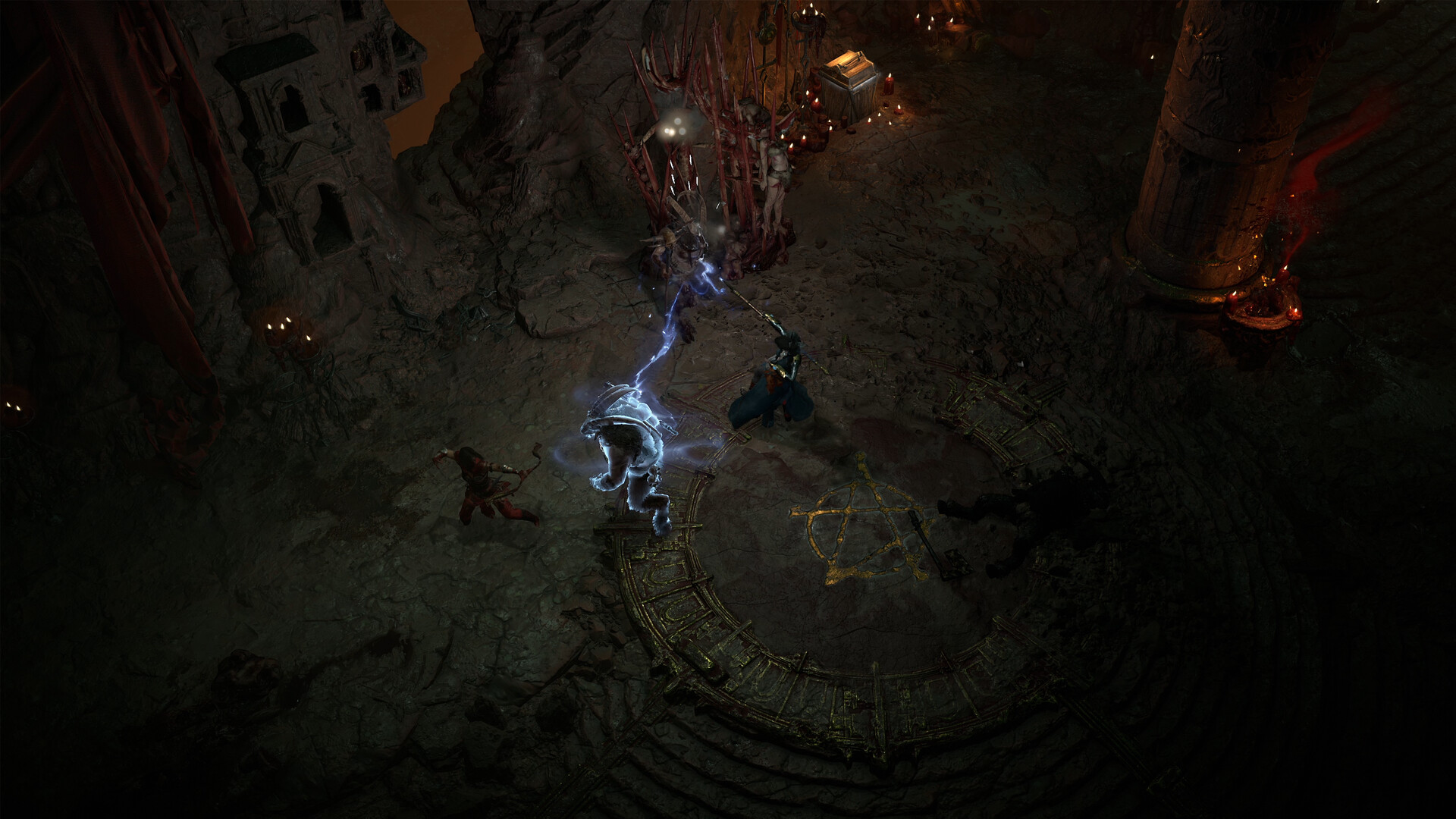
You can only carry one Prime Evil's Splinter at a time, so pick based on the loop you're actually running: Terror for Helltide and Infernal Hordes, Destruction for Undercity runs and Lair Bosses, Hatred for The Pit and Nightmare Dungeons. All three also modify the Tree of Whispers regardless of which one you're wearing. Switching means re-earning a different Splinter from its Waking Nightmare rather than flipping a toggle, so treat the choice as a build decision for the week, not something to change every session.
If you also read our class tier list for patch 3.2.1, factor the core-stat scalar changes in before you commit to a Splinter loop — some classes are simply better suited to farming one activity over another this season, and there's little point optimizing around a Splinter your class can't reliably farm the matching content for.
Thirty years of darkness. One monster of a season. Choose a Prime Evil Faction. New Waking Nightmares. New Soul Splinters. New Nostalgic Uniques. Dive into Diablo IV: Season of Hell's Legacy on September 15.
— Diablo (@Diablo) — Sept 12, 2026 on X
08Pushing the Waking Nightmares at endgame
Once you've cleared all three fights through the seasonal quest line, the largest Waking Nightmares stop being one-time story beats and become replayable content on your current Torment level, with pinnacle Capstone versions unlocking at Torment 10 and above for the best rewards. That's the actual endgame loop Season 15 is built around: gear up enough to push your Torment level, then go back into whichever Prime Evil's fight lines up with the Splinter and activities you're farming that week.

How to Beat All Three Prime Evils in Season 15
- 1Seasonal content unlocks once you're past the main campaign. Skip it at character creation on a new Seasonal character, or bring an Eternal character across with the new Rebirth system after clearing its inventory and gear.10-30 min
- 2Once you're eligible, the seasonal quest line starts automatically and walks you toward the first Waking Nightmare.5 min
- 3Gear for a scaling Capstone: cap resistances, bring a Fortify or shield source, and carry enough potions for the trash between checkpoints. Winning grants the Splinter of Terror.20-30 min
- 4Keep room to read and dodge in this more open arena rather than fighting point-blank. Winning grants the Splinter of Destruction.20-30 min
- 5Early clears rate this as the toughest of the three — bring your best defensive setup. Winning grants the Splinter of Hatred.20-30 min
- 6Pick the Splinter that matches the content you actually farm: Terror for Helltide and Infernal Hordes, Destruction for the Undercity and Lair Bosses, Hatred for The Pit and Nightmare Dungeons.5 min
- 7After the seasonal quest, replay the largest Waking Nightmares on your current Torment level, with pinnacle Capstone versions unlocking at Torment 10 and above.Ongoing
Season 15 also shipped nine Legacy Uniques for the franchise's 30th anniversary — Stone of Jordan, Messerschmidt's Reaver, Leoric's Crown, Nemesis Bracers, Squirt's Blouse, Arioc's Needle, Henri's Perquisition, In-Geom and The Furnace among them — alongside fixes to how several of them interact with Soul Splinter effects. None of that changes how the three boss fights play, but it's worth knowing before you start theorycrafting a build around whichever Splinter you land on, since a couple of those Uniques were specifically patched to work correctly with the new Splinter system.
Check Diablo IV's official site for the full 3.2.1 patch notes if you want the class-by-class balance changes alongside the seasonal content — Season 15 bundles a fairly heavy rebalance in with the Prime Evil fights, so don't assume your pre-patch build survives the transition untouched. Barbarian in particular takes an overall damage cut this patch, while several other classes gain from the same core-stat scalar changes, so it's worth a quick check before you gear up specifically for one of these fights.
FAQ
Do I have to fight Diablo, Baal and Mephisto in a specific order?
Blizzard hasn't published a required order for the three Waking Nightmares — the seasonal quest line leads you through all three as part of Hell's Legacy.
Can I carry more than one Splinter of Evil at once?
No. You can only bear one Prime Evil's Splinter at a time, and switching means re-earning a different one from its Waking Nightmare.
Do the Waking Nightmares disappear after I finish the season quest?
No. The largest Waking Nightmares become replayable on your current Torment level once the seasonal quest line is done, with pinnacle Capstone versions at Torment 10 and above.
What does carrying a Splinter of Evil actually do?
It periodically triggers an Iconic Power in combat — Fire damage for Terror, Cold for Destruction, Physical for Hatred — and boosts a matching reputation track, but it also makes you more vulnerable to that Prime Evil specifically.
Which activities does each Splinter affect?
Splinter of Terror modifies Helltide and Infernal Hordes, Splinter of Destruction modifies the Undercity and Lair Bosses, and Splinter of Hatred modifies The Pit and Nightmare Dungeons. All three also affect the Tree of Whispers.
Official resources

Jonas runs the guides desk at Tutorial.Games. He replays every route, build and boss strategy on the current patch before it goes up, and re-checks it when the developer ships a balance update. Soulslikes, co-op action games and anything with a build planner.