Dynasty Warriors 3 Remastered: Combat, Modes and Officers Guide
Dynasty Warriors 3: Complete Edition Remastered throws 40+ officers into 1-vs-1,000 battles. Here's how combat, modes and Xtreme Legends work.
Dynasty Warriors 3: Complete Edition Remastered rebuilds the game that defined the series' 1-vs-1,000 battlefield chaos, dropping it into Unreal Engine 5 with the full Xtreme Legends expansion attached. If you're coming to it fresh off the back of newer entries like Origins, the controls, pacing and menus are older and blunter than you might expect. Here's what actually matters in your first few hours, verified against Koei Tecmo's own release notes and the game's Steam store page. None of it assumes you've touched the original PS2 release, and none of it assumes you've played a newer Dynasty Warriors game either — the systems here are simpler on purpose.
01What's New in the Remastered Edition
The remaster recreates Dynasty Warriors 3 and its Xtreme Legends expansion with Unreal Engine 5 visuals while keeping the original's movement and officer development system intact, according to Koei Tecmo's own description. It launched worldwide on October 1, 2026 on PS5, Xbox Series X|S, Nintendo Switch 2 and PC via Steam — the original Switch was dropped from the release plan. On PC specifically, you get full keyboard-and-mouse remapping, support for multiple controller types, 4K output, ultrawide monitor support and HDR depending on your hardware.
This was the entry that introduced True Musou Attacks, two-player simultaneous play and the officer development system to the Dynasty Warriors series, and all three return here largely unchanged in structure, just faster and better-looking.
A free demo is also live on Steam separately from the full release, covering an early stage with difficulty and some other settings adjustable, so it's worth downloading first if you want to check performance on your own hardware before committing to a purchase.
02PC Settings and Controls Worth Checking First
Before you touch a battlefield, open the options menu and remap at least your Evasion and Guard buttons — the PC version ships with fully customizable mouse-and-keyboard controls, and the defaults are built around a gamepad layout that doesn't always translate cleanly to WASD. If you're on a controller instead, the game supports multiple controller types with full native support, so a DualSense or Xbox pad should be recognized without extra setup.
On the display side, the PC release supports 4K output, ultrawide monitors, multiple upscaling options and HDR, but all three are gated by your actual hardware rather than guaranteed defaults — check your resolution and upscaling settings manually on first launch rather than assuming the game picked the best option for your rig. There's no mention anywhere in Koei Tecmo's own notes of a built-in frame-rate cap, so if you're chasing a specific refresh rate, confirm it in-game rather than assuming.
03How Combat Works: Evasion, Guards and Musou Attacks
The remaster adds a handful of defensive options the 2001 original didn't have. Evasion lets you dodge out of an attack string entirely; timing it right into an enemy's swing triggers a Just Evasion, which counters immediately instead of just getting you clear. Perfect Power Guard works the same way on the block side — guard at the right instant and you stun whatever just hit you, opening a free hit or a full combo.
Layered on top of that is the series' signature True Musou Attack: fill your Musou gauge by chaining hits and defeating enemy officers, then unleash it for a screen-filling finisher that can clear a cluster of soldiers in one motion. Targeting enemy officers specifically — not just mowing down anonymous troops — is the fastest way to keep that gauge topped up, since officer kills contribute far more than regular soldiers.

04Picking Your First Officer
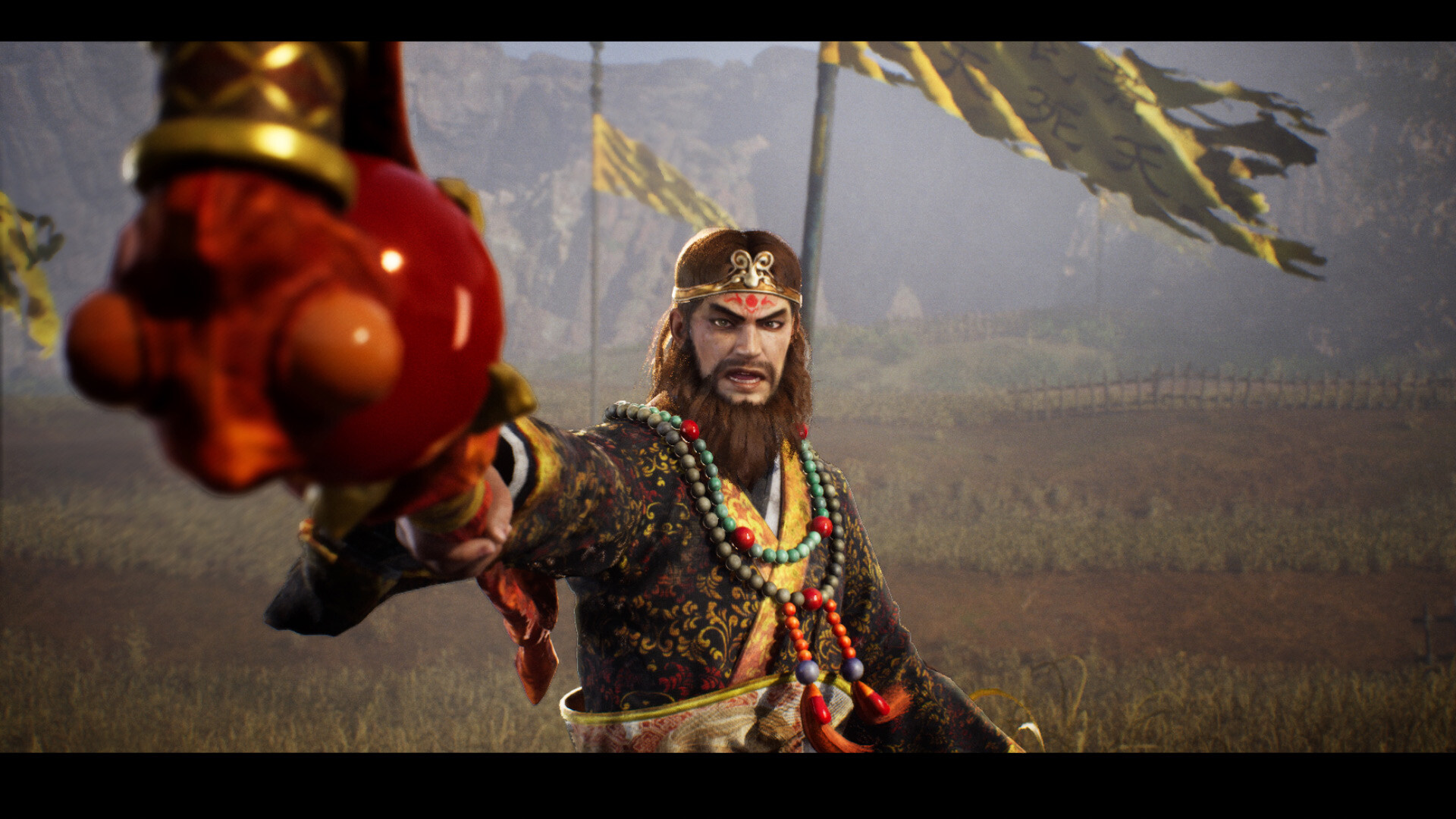
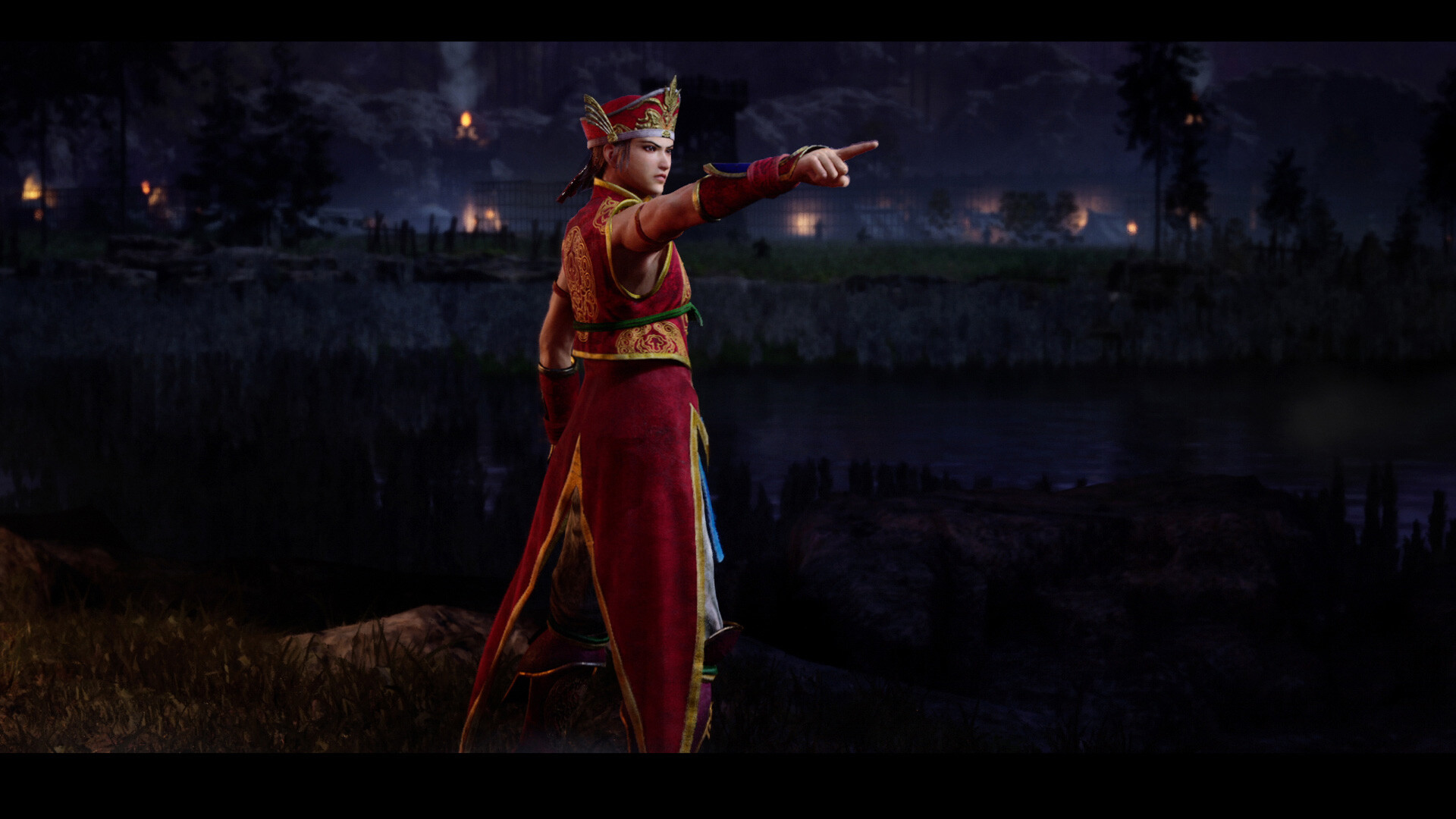
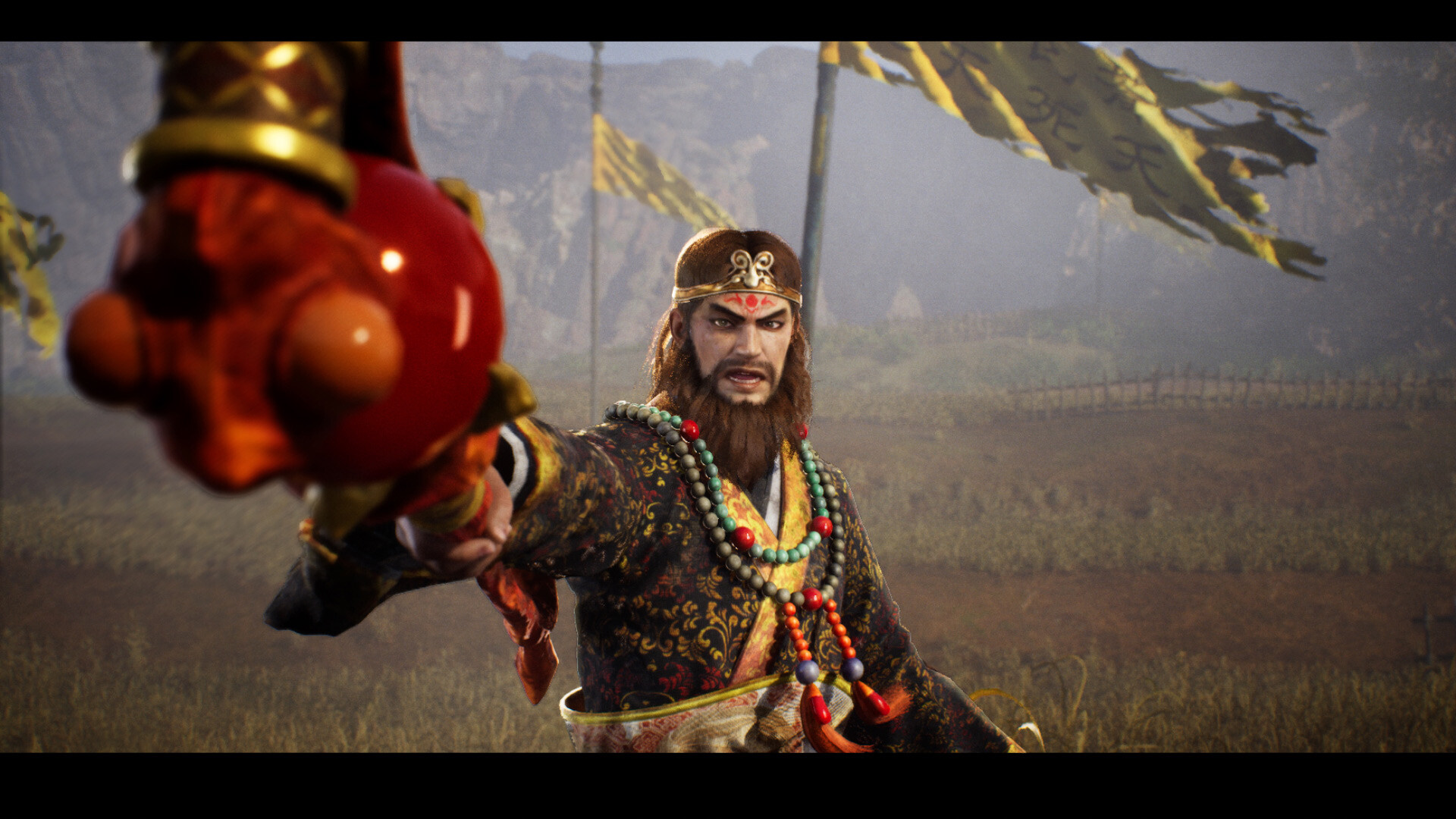
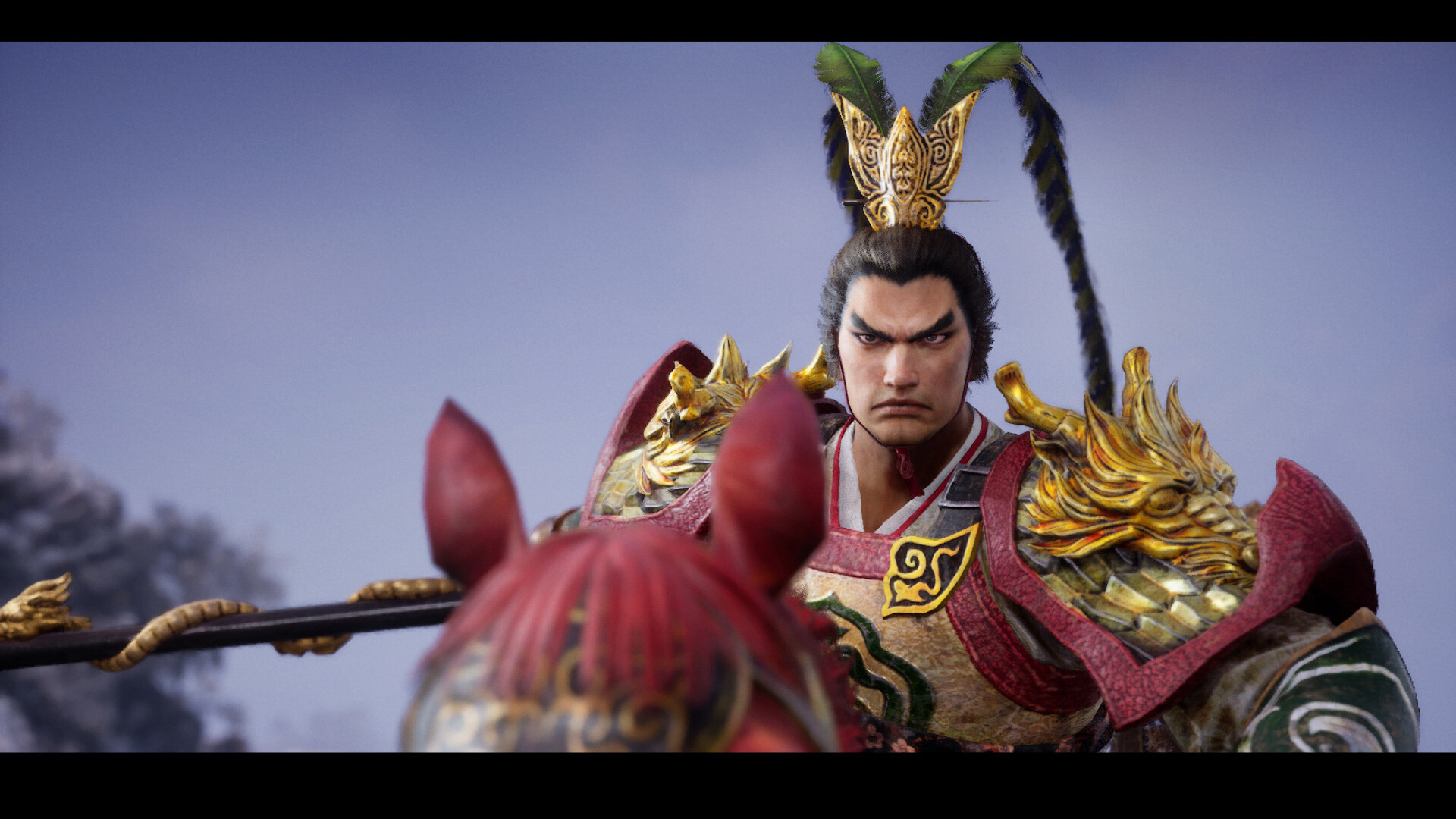
The remaster carries over the complete roster of more than 40 officers from the original game, and they're organized the way every Dynasty Warriors game organizes its cast: by kingdom allegiance. You'll see officers grouped under Wei, Wu and Shu, plus a fourth bucket for historical figures who don't belong to any one kingdom, like Lu Bu or Dong Zhuo. Every officer uses the same Evasion, Guard and Musou system described above, so the real difference between them is weapon type and attack animation rather than a stat spreadsheet.
Because the underlying system is identical across the roster, the best approach for a first run is to pick whoever's weapon type looks the most fun in the opening cutscenes — spear, sword, twin blades, whatever — rather than agonizing over tier lists for a cast this large. You'll unlock access to most of the roster naturally by clearing story battles for each kingdom, with each kingdom's campaign framed as its own self-contained Musou Mode run rather than one long combined story.
If you've played any later Dynasty Warriors game, don't go in expecting the deeper RPG-style skill trees those entries introduced. This is the 2001 structure at its core — bigger battlefields and more enemies on screen than the original could manage, not a reinvention of how officers grow.
05Weapon Fusion and the Officer Roster
Weapon Fusion is the other new system worth learning early: sacrifice a weapon you don't want, and you transfer its elemental attribute and any attached skills onto a weapon you do want. It's the main way to build out a favorite officer's loadout instead of just swapping to whatever numerically-superior weapon drops next. If you buy the Digital Deluxe Edition, its 42 bonus weapons are usable as fusion material too, which is a quick way to stock up on skills to transfer without grinding drops first.
The officer development system itself is lighter-touch than you might expect from a modern action-RPG — Koei Tecmo describes it only as unlocking officers and growing their stats through play rather than a deep skill-tree, so don't expect a sprawling progression screen. It's closer to "play more, get stronger" than a build-crafting system.
Your First Hours in Dynasty Warriors 3 Remastered
- 1Dynasty Warriors 3 Remastered eases you into movement, lock-on targeting and basic attacks before the first real battlefield — take the early prompts slowly so dodging and attack strings become automatic.10 min
- 2More than 40 officers are available across Musou Mode's kingdom campaigns, and every one uses the identical Evasion, Guard and Musou system, so choose based on which weapon type looks fun rather than a stat sheet.5 min
- 3Dodge or block at the exact instant an attack lands to trigger a Just Evasion counter or a Perfect Power Guard stun — both open a free hit, and both are the fastest way to survive the game's larger enemy crowds.20 min
- 4Regular soldiers barely move your Musou gauge; defeating enemy officers is what charges it fast enough to unleash a True Musou Attack and clear a crowd in one hit.15 min
- 5Sacrifice a spare weapon to transfer its element and skills onto one you're keeping — it's a faster way to build a loadout you like than farming drops from scratch.10 min
- 6Once a kingdom's Musou Mode campaign is done, jump into Xtreme Legends for seven extra officer stories, or set up offline split-screen VS Mode for classic two-player co-op.varies
06Musou, Free and VS Modes
Three modes cover most of what you'll actually play. Musou Mode is the story campaign, run separately per kingdom with its own branching battles and cutscenes. Free Mode lets you replay any unlocked stage with any unlocked officer, which is where you'll grind out missed officers or just mess around with a favorite once the story's done. VS Mode is head-to-head, and the classic offline split-screen two-player co-op the original was known for makes its full return here — genuinely rare for a current-generation release, and worth setting up if you've got a second controller and someone willing to co-op through a kingdom's campaign with you.
07Xtreme Legends: New Stories and Challenge Modes
The bundled Xtreme Legends expansion is what turns this from "remaster of the base game" into the actual complete package the title promises. It adds dedicated side stories for seven officers outside the main three-kingdom narrative, including Lu Bu, Meng Huo and Yuan Shao, plus bodyguard customization for your escorting troops, additional weapons on top of the base roster, and four distinct types of challenge mode battles layered over the standard campaign stages. Koei Tecmo hasn't published exact names or rules for each challenge type yet, so treat specifics there as unconfirmed until you've unlocked them in-game.
If you only play through Musou Mode's main story once, you're leaving a meaningful chunk of the package — and some of its best officers — untouched. Budget for a second pass through Xtreme Legends content once the main campaigns are done, since several of those side-story officers aren't playable any other way.
Bodyguard customization is worth a mention on its own: in battles where you're escorting or supported by subordinate troops, you can adjust their loadout and appearance rather than being stuck with a generic default squad. It's a small touch, but it carries over from the original Xtreme Legends expansion rather than being invented for this remaster.
08Is the Digital Deluxe Edition Worth It?
The standard edition gets you the full base game plus Xtreme Legends with nothing missing from the core experience. The Digital Deluxe upgrade adds 42 retro costumes pulled from the original PS2-era game, 42 bonus weapons usable for Weapon Fusion, a Six Secret Teachings item that boosts Merit (officer progression) gain, a Wind Scroll, a Tiger Amulet and an Officer Concept Art Collection viewable from the in-game database. None of it is required to see any story content — it's cosmetic and convenience-focused, aimed mostly at returning fans who want the nostalgia pieces and a faster route through officer fusion material.
Anyone who pre-ordered before September 30, 2026 also received a Retro-Style Red Hare Saddle as a bonus; Koei Tecmo has said that item may be sold or offered separately later for anyone who missed the window.
Overall, this is a straightforward recommendation if you want the roots of the Dynasty Warriors series without playing it on two-decade-old hardware: the systems are simple, the roster is enormous, and Xtreme Legends gives you a genuine second campaign's worth of content rather than a token bonus. Start on Musou Mode with whichever officer's weapon grabbed you, learn Just Evasion and Perfect Power Guard early, and the rest of the roster opens up naturally from there.
FAQ
Is Dynasty Warriors 3: Complete Edition Remastered a full remake or just a visual upgrade?
It's a remaster built in Unreal Engine 5 that recreates the original battlefields and cast while keeping the 2001 game's movement and officer development system, according to Koei Tecmo. It bundles the full Xtreme Legends expansion alongside the base campaign.
What platforms is it available on?
PS5, Xbox Series X|S, Nintendo Switch 2 and PC via Steam. The original Nintendo Switch was removed from the release plan after being part of the initial announcement.
Does the remaster include the Xtreme Legends expansion?
Yes. It adds seven extra officer side-stories including Lu Bu, Meng Huo and Yuan Shao, bodyguard customization, additional weapons and four types of challenge-mode battles on top of the main Musou Mode campaigns.
What's included in the Digital Deluxe Edition?
42 retro costumes from the original PS2-era game, 42 bonus weapons usable for Weapon Fusion, a Merit-boosting Six Secret Teachings item, a Wind Scroll, a Tiger Amulet and an Officer Concept Art Collection, on top of the standard base game and Xtreme Legends.
Can I still play local two-player split-screen?
Yes. The classic offline split-screen two-player co-op from the original Dynasty Warriors 3 returns in VS Mode, alongside the main Musou Mode campaigns.
Official resources

Jonas runs the guides desk at Tutorial.Games. He replays every route, build and boss strategy on the current patch before it goes up, and re-checks it when the developer ships a balance update. Soulslikes, co-op action games and anything with a build planner.