Final Fantasy Resonance Guide: Visions, Stagger and Early Builds
Final Fantasy Resonance launches today with new Stagger combat, Limit Bursts and Visions to learn — here is how to build your party in the opening hours.
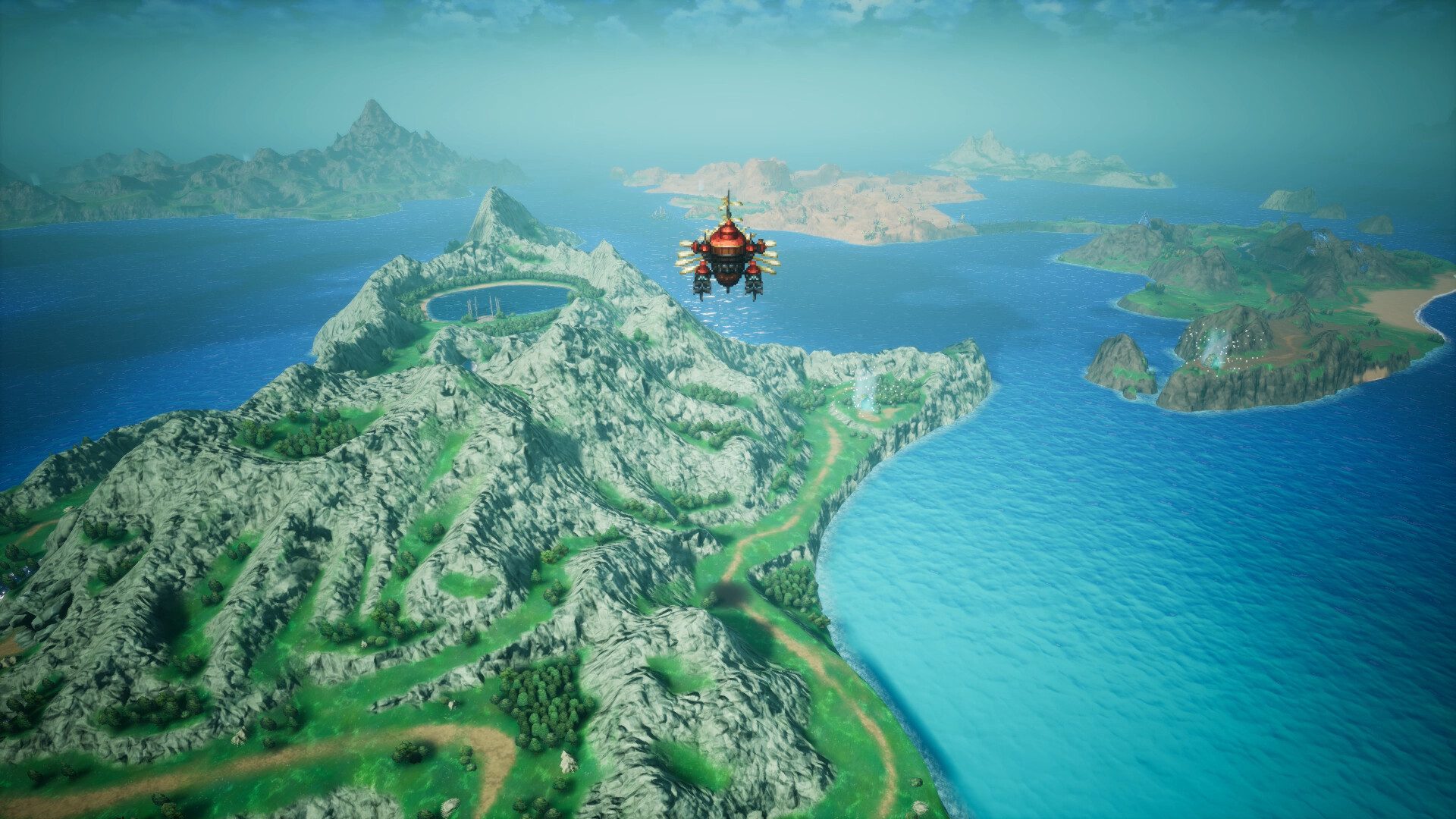
Final Fantasy Resonance is out today, October 22, 2026, on PlayStation 5, Xbox Series X|S, Nintendo Switch, Nintendo Switch 2 and PC. It's the first HD-2D entry in the mainline series, built around the opening story arc of the mobile game Final Fantasy Brave Exvius and rebuilt by Square Enix and LANCARSE into a full, single-player console RPG set in the Kingdom of Grandshelt. If you played the free Chapter 1 demo this fall, your save carries straight into tonight's launch; if you didn't, here's what to learn in your first few hours so you aren't burning turns figuring out systems the game only explains gradually.
01What's Live at Launch: Platforms, Price and the Demo Carryover
Resonance released simultaneously on PC via Steam, PS5, Xbox Series X|S, Switch and Switch 2, with a standard edition priced at $49.99 and retailers listing a $59.99 Digital Deluxe edition with bonus cosmetic items on top. The free Chapter 1 demo Square Enix released after its September 3 State of Play gameplay reveal covers the opening roughly three to five hours, and its save data carries directly into the full game — so if you already cleared Grandshelt's opening chapter in the demo, you can jump straight into Chapter 2 tonight instead of replaying it. Valve lists the Steam version as Steam Deck Verified and Steam Machine Verified, and the ESRB rates the game E10+ for fantasy violence, alcohol reference, language and suggestive themes.
Square Enix has said there are no post-launch DLC plans for Resonance, which is worth knowing before you decide how much of the opening hours to rush: unlike a live-service game with a content calendar, there's no incentive to race through Grandshelt to "catch up" to anything. Side content and optional encounters you skip on a first pass aren't going anywhere.
02How Stagger and Resonance Attacks Change Every Fight
Battles are turn-based, but a weakness system sits on top of the usual command menu and changes how you should actually spend a turn. Hit an enemy's elemental or physical weakness enough times and it staggers, opening a window where it takes extra damage and loses its own turns entirely. Chaining a stagger into your party's strongest attacks tends to earn a bonus turn before the enemy recovers, so the system rewards scouting a weakness with a Libra-style ability (or simple trial and error against a new enemy type) before you commit your whole turn order to one attack element.
Running alongside stagger is a per-character Limit Burst gauge that fills as that character attacks, lands a stagger, or takes damage. Once it's full you can trigger a Limit Burst for a heavy single-target or party-wide hit. Popping it the instant it's ready is rarely the strongest play — holding it until an enemy is staggered multiplies the damage instead of just adding to it, and most early bosses give you at least one clean stagger window if you've been chipping at their weakness from turn one.
03Equipping Visions: The Series' Legends as Crystallized Allies
Visions are crystallized echoes of major characters from across the Final Fantasy series — Square Enix has confirmed Terra, Squall, Zidane and Cecil among others revealed in character trailers — that you equip onto your own party members rather than recruit as separate playable units. An equipped Vision lends its abilities and stat bonuses to whoever is wearing it, so your build decisions are less about picking a traditional job and more about deciding which legend's toolkit patches a gap in your current line-up of Rain, Lasswell, Fina, Lid and Charlotte. You'll only have one or two Vision crystals in the opening hours, so prioritize whichever one covers an element, a heal, or a support ability nobody in your starting party already has, rather than whichever has the flashiest attack animation.

04Who's in Your Starting Party (and What They're Good At)
Rain, the airship squadron commander you control for most of the opening, and his childhood friend Lasswell carry your early front line as the two knights of Grandshelt entrusted with protecting the kingdom's Crystals. Fina, the mysterious girl the pair meet early on, rounds out the opening trio with abilities geared more toward support than raw damage, based on how Square Enix has framed her in character material so far. Lid, the airship engineer who fights alongside a mechanical chocobo she built herself, and Charlotte, a fellow Grandshelt knight described as a resilient defensive fighter, join as the party expands beyond the opening chapter. None of their exact skill trees have been detailed in official materials yet, so don't commit to a long-term build around a specific ability until you've actually unlocked it — treat early-game planning as "cover your obvious gaps," not "optimize for the whole campaign."
05Early-Game Walkthrough: Grandshelt to Your First Crystal
The opening hours are deliberately linear, so the sequence below holds whether you're starting fresh tonight or picking up right where the demo left off. The pacing is built around teaching one system at a time — don't be surprised if the game withholds your second Vision crystal or your first non-trivial boss fight until it's sure you've actually used the one it already gave you.
Your First Hours in Final Fantasy Resonance
- 1If you cleared the free Chapter 1 demo, select Continue from the same platform account before starting a new game — the full release recognizes the save and skips you straight to Chapter 2.5 min
- 2Use each party member's basic attacks and spells against the first few random encounters to find elemental or physical weaknesses before worrying about damage numbers.15-20 min
- 3As soon as you receive a Vision, put it on whichever party member's kit it fills a gap for — a heal or an off-element spell is usually more useful early than a second attacker.10 min
- 4Follow the main quest through the capital, talking to named NPCs along the way — Square Enix built the pacing around teaching Resonance's systems one at a time through these early scenes.30-45 min
- 5Avoid spending a full Limit Burst gauge on a trash encounter right before a story boss; hold it so you can drop it the moment the boss staggers.10 min
- 6Once your party has Visions equipped, you can look for the optional Sephiroth encounter — back off and keep progressing the story if you can't land a single stagger on him.varies
None of this is a speedrun route — treat the times below as rough pacing for a first playthrough that also pokes around Grandshelt's side streets, not a minimum-clear benchmark.
06Finding (and Surviving) the Optional Sephiroth Fight
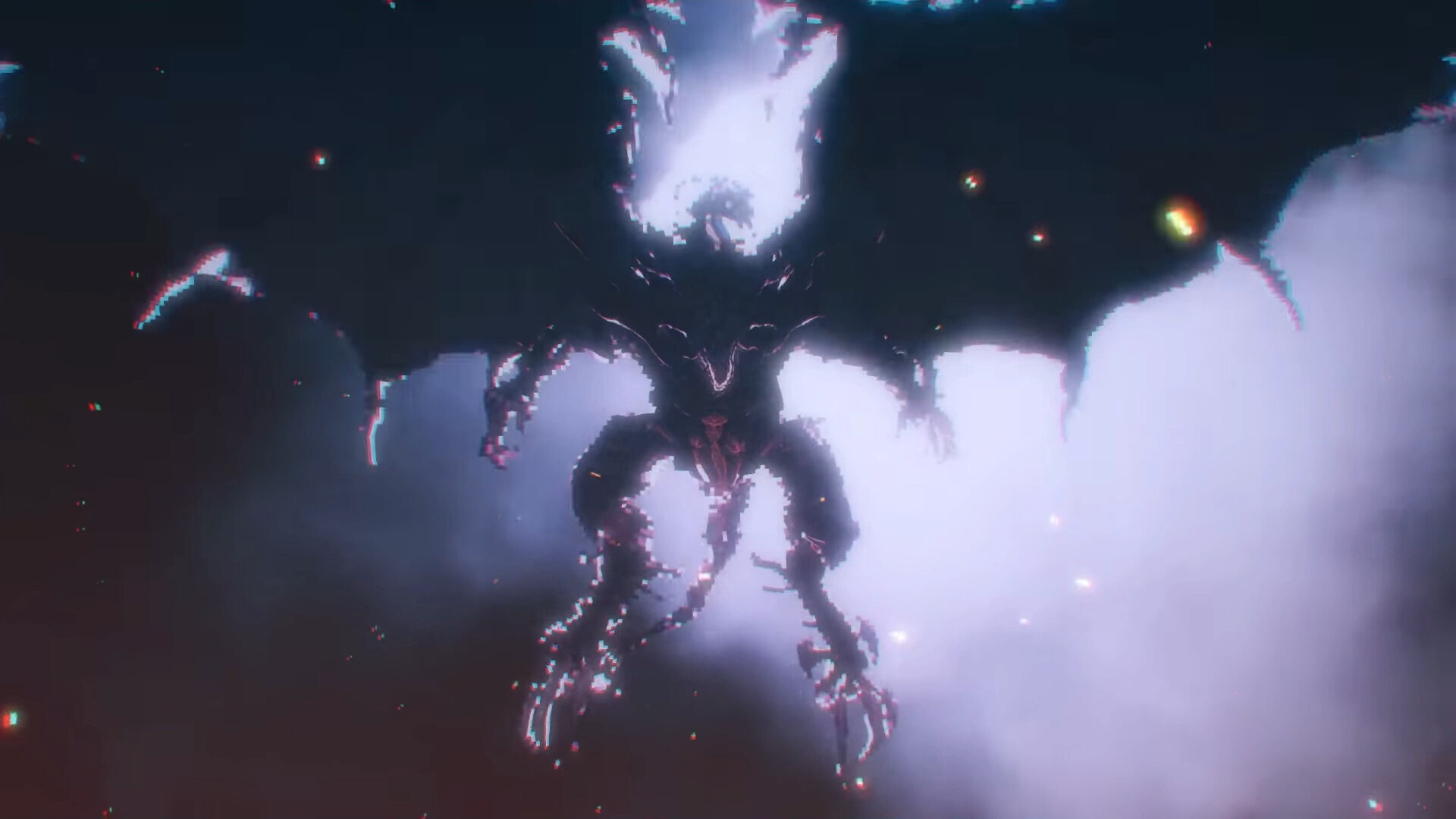
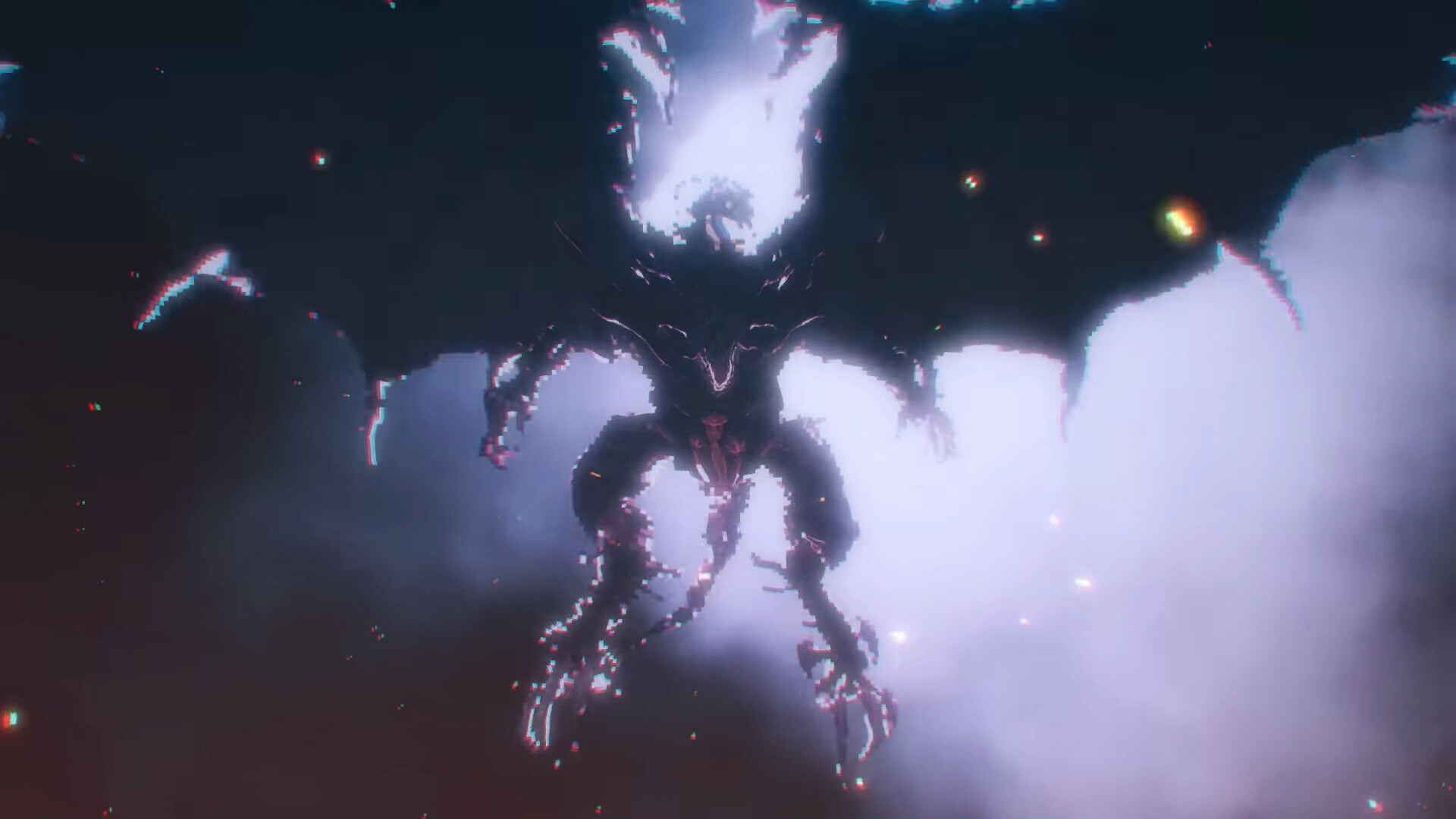
The September gameplay trailer confirmed that Sephiroth shows up as an optional encounter players can seek out and challenge for a special reward, continuing the series' long tradition of secret superbosses tucked away from the main story. It's a fitting nod given Resonance's whole premise — a game built out of crystallized echoes of the series' past practically demands a cameo from its most iconic villain — but Square Enix hasn't detailed the exact trigger or the reward itself in any official material. Treat specific unlock steps you find elsewhere online as unconfirmed until you can verify them in-game yourself, and don't assume he's reachable from Grandshelt on day one just because the trailer showed him.
The safe approach is the one that's worked for every mainline Final Fantasy postgame-style challenge: don't go looking for him until every party member has a Vision equipped and your Limit Bursts charge at a reasonable clip, since these optional fights are built around punishing a party that rushes in underprepared. If your first scouting attempt against him ends in a wipe before you've even staggered him once, that's the game telling you to come back after a few more story chapters rather than grinding random encounters outside his location.
“But we truly feel this demo will kind of dispel any kinds of uncertainty or concerns that people may have had.”Keisuke Nakashima, Producer, Final Fantasy Resonance
07Builds and Priorities Before You Leave the Capital
Before you push past Grandshelt, spend your early gil and ability points on two things: a second Vision slot if the game offers one as a quest reward or shop item, and whichever party member's kit covers healing or support, since stagger windows close fast if you're spending turns on recovery instead of pressing an advantage you've already earned. It's also worth bookmarking the official Final Fantasy Resonance news page for anything posted after launch, since balance patches and quality-of-life updates are the more likely kind of post-launch news to watch for rather than paid story content.
Returning Final Fantasy fans will recognize the shape of this opening immediately — a pair of knights, a mysterious companion, a kingdom defined by its Crystal, a cameo from one of the series' most famous villains waiting in the wings. What's new is how directly Resonance lets you reach back into the series' history through Visions rather than just referencing it in dialogue. Spend your first few hours learning stagger timing and matching Visions to your party's weak spots, and the rest of Grandshelt's opening chapters should move a lot faster than they would if you're still treating every fight like a standard random encounter by the time you reach your first real boss.
FAQ
Does my Final Fantasy Resonance demo save carry over to the full game?
Yes. Square Enix confirmed the free Chapter 1 demo's save data carries into the full release, so clearing the demo lets you start the launch version from Chapter 2 instead of replaying the opening.
What are Visions in Final Fantasy Resonance?
Visions are crystallized echoes of classic Final Fantasy characters, including Terra, Squall, Zidane and Cecil, that you equip onto your own party members to grant their abilities and stat bonuses rather than recruiting them as separate units.
Is Final Fantasy Resonance a gacha or live-service game?
No. It's a full single-player release with no reported gacha mechanics or microtransactions, built from the story of the mobile game Final Fantasy Brave Exvius but reworked as a standalone console and PC RPG.
How do I fight Sephiroth in Final Fantasy Resonance?
Square Enix's gameplay trailer confirmed Sephiroth as an optional encounter you can seek out for a special reward, but the studio hasn't detailed the exact unlock conditions. Make sure your party has Visions equipped before attempting him.
Is Final Fantasy Resonance on Steam Deck?
Yes. Valve lists the PC version as Steam Deck Verified and Steam Machine Verified ahead of its October 22, 2026 launch.
Official resources

Jonas runs the guides desk at Tutorial.Games. He replays every route, build and boss strategy on the current patch before it goes up, and re-checks it when the developer ships a balance update. Soulslikes, co-op action games and anything with a build planner.